

Stories of urban growth were often measured by how far cities expanded. New business districts, residential communities, and commercial hubs steadily reshaped skylines, while many historic downtowns became places people visited for specific errands or cultural landmarks rather than for everyday life. Today, however, urban planners and conservation advocates are increasingly transforming the oldest parts of a city, making them relevant again without losing what makes them distinctive. Cebu is among the places embracing this shift.
From expansion to reinvestment
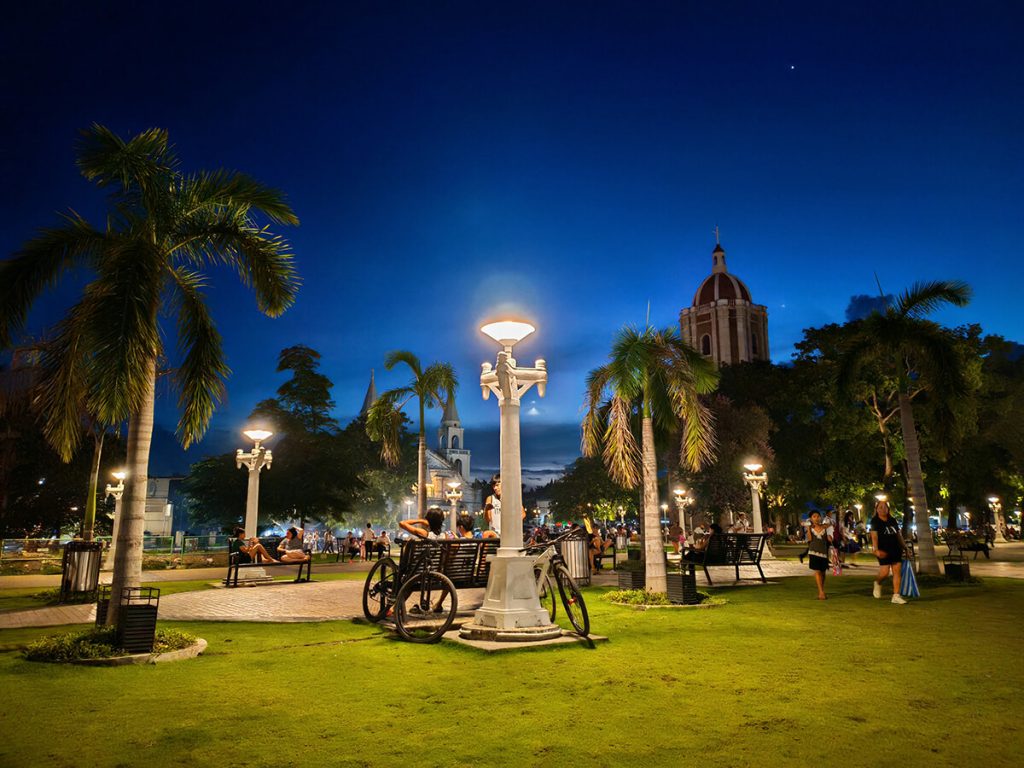
The city’s historic core has long served as the heart of its community, religion, and commercial life. Landmarks such as the Basilica Minore del Santo Niño, Cebu Metropolitan Cathedral, Colon Street, Magellan’s Cross, and Fort San Pedro remain within walking distance of one another, reflecting an urban pattern established long before car-oriented developments became the norm.

Rather than viewing these areas solely as heritage destinations, recent initiatives have focused on improving how people experience them every day. The Cebu City Government has proposed pedestrian-friendly improvements in parts of the downtown district, including wider walkways, landscaping, and streetscape enhancements to make the area safer and more accessible for everyone. These efforts are intended to complement heritage conservation while supporting local businesses and community activities.


Historic districts need more than preserved buildings
Urban revitalization is increasingly understood as more than restoring architecture. Research published in Asian Transport Studies found that while improving the pedestrian environment could encourage more visits to downtown Cebu, people also identified safety, cleanliness, and flood management as important factors in creating a vibrant city center. The study suggests that successful revitalization depends on making historic districts comfortable places for everyday use and not simply destinations to admire.
This reflects a broader trend seen in cities around the world, where adaptive reuse and public realm improvements are helping historic neighborhoods remain active parts of urban life. The approach recognizes that older districts already possess qualities that many modern developments seek to create, including walkability and mixed uses.
The enduring value of Cebu
As Cebu continues to grow beyond its traditional core, renewed attention to its oldest streets signals that progress does not always require starting from scratch. Investing in established neighborhoods can strengthen local commerce, encourage more walkable communities, and ensure that heritage remains woven into daily life.
In this light, the city’s historic center is not simply preserving memories of the past. It is demonstrating how thoughtful reinvestment can help longstanding neighborhoods continue serving future generations, proving that some of a city’s most valuable foundations have been there all along.
#PhilSTARPropertyFeature
#FeaturedStory