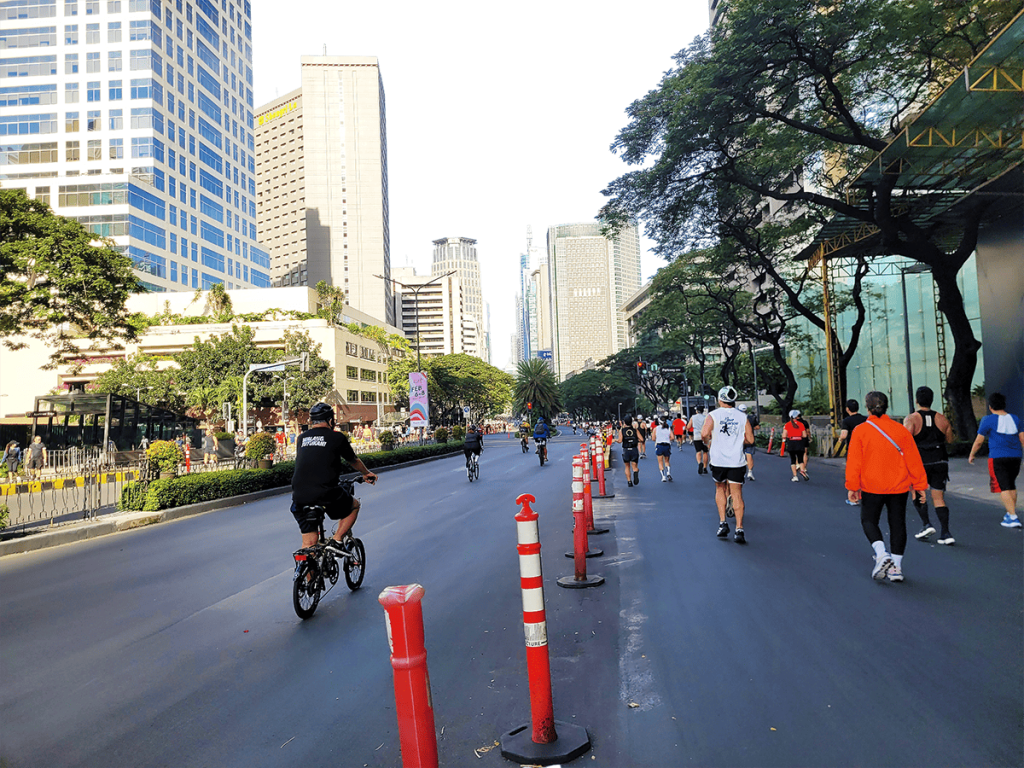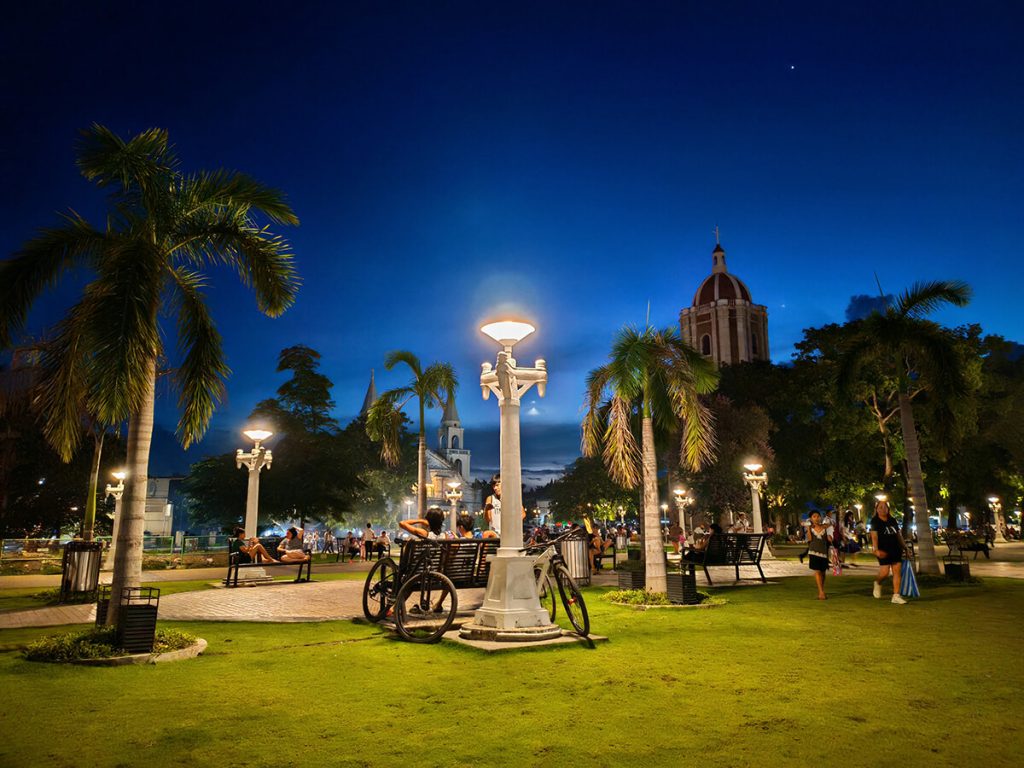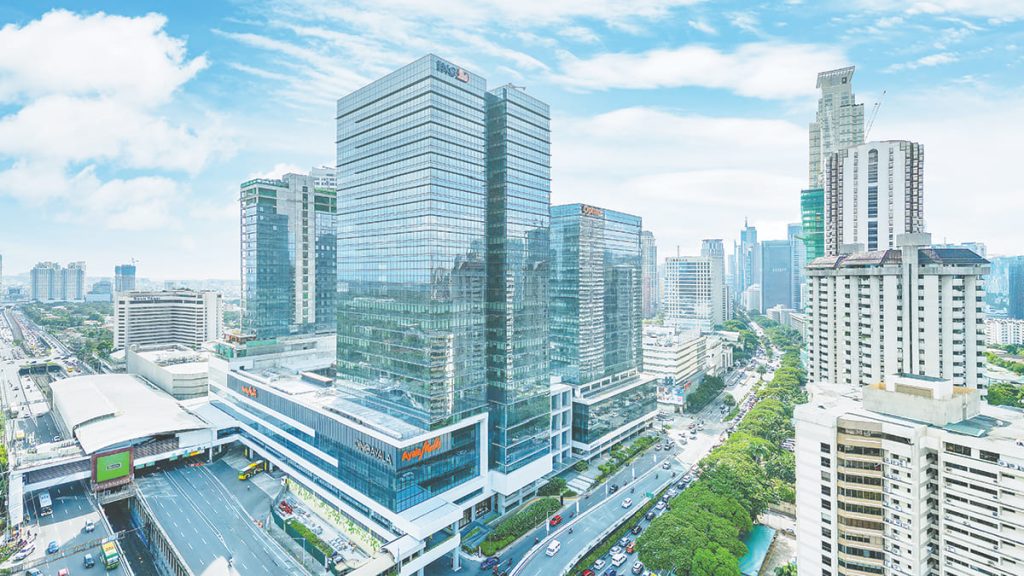


The built environment encompasses much more than just houses, office buildings, commercial structures, and soft and hard infrastructure. It also includes the proper integration of parks, open spaces, and streetscapes within the public realms, enabling our communities and cities to function properly and thrive.
The spaces we inhabit serve as the silent engines that propel our nation forward. Architects and allied design professionals, such as landscape architects and environmental planners, play a crucial role in ensuring the smooth operation of these engines. In this sense, architecture and planning emerge as powerful tools for government.
Underutilized Strategic Resource
The Philippines boasts a substantial pool of architects, landscape architects, and environmental planners whose expertise remains a largely untapped strategic resource. Currently, these professionals are underrepresented in the very spaces where communities are shaped: our national government agencies and local government units.
When design professionals are absent from the table, public buildings, streetscapes, and open spaces are dictated by administrative priorities – compliance and cost-efficiency. While these are necessary, a focus solely on “delivery” leaves our communities lacking in human experience. The result is a persistent livability crisis: poor walkability, inaccessible public spaces, and a fragmented urban identity.
The Economic and Social Mandates
From commercial to civic spaces, design professionals provide the essential tools to address the complexities of urbanization:
1. Proper planning of low-cost housing goes beyond mere construction and quantity; it entails creating homes that provide dignity and economic upliftment to marginalized communities.
2. By prioritizing local materials and incorporating “zero-waste” principles into our policies, programs, and projects, we can transition the nation toward a circular economy that maximizes resource utilization.
3. As climate risks intensify, architects and planners are indispensable in designing “green” assets that mitigate environmental impacts.
A Call to Action
Architecture, landscape architecture, and planning transcend mere aesthetics; they embody strength, grace, and vitality. Our responsibility is to transform our “concrete jungles” into inclusive, resilient, and deeply connected to our surroundings.
As our population expands, it is our collective duty to turn national aspirations into tangible realities. We must continue to develop plans that strike a balance between modern progress and the preservation of our cultural heritage and shared values.
When design professionals are integrated into government, they transcend the mere act of construction. As such, we must empower design professionals within governance to ensure that our communities are not only functional but also humane.
The architectural profession recently celebrated a momentous occasion with the Investiture of 26 new Fellows of the United Architects of the Philippines (UAP). This prestigious ceremony is one of the highest honors bestowed by the professional organization, recognizing individuals who have demonstrated exceptional excellence in their practice and service to the organization and society.

Among the honorees was Arch. Henry L. Yap. His induction into the College of Fellows, along with 5 other Government Architects, is a testament to a remarkable career that seamlessly integrates design, planning, and government service. It acts as a reminder that the role of an architect and planner has transcended the confines of the drawing board, extending into service to nationhood.
Design and Allied Professionals are a must
Humane communities require more than just buildings and infrastructure; they need to be integrated to the general environment. By positioning architects and allied professionals in key government roles, they can act as the stewards of the public good by:
• Translating Policy into Livability: By incorporating “spatial intelligence” into land-use policies, we gain a broader perspective on creating inclusive, culturally rich, and enjoyable living environments.
• Integrating Multidisciplinary Planning: Achieving better outcomes requires collaboration. Design professionals act as “integrators,” synthesizing technical perspectives into a coherent, human-centric vision.
• Applying Design Thinking: Seasoned government professionals can direct bureaucratic resources toward addressing critical social needs, such as creating functional, safe, and fulfilling living environments.
#PhilSTARPropertyFeature
#FeaturedStory