

The Truth of Value
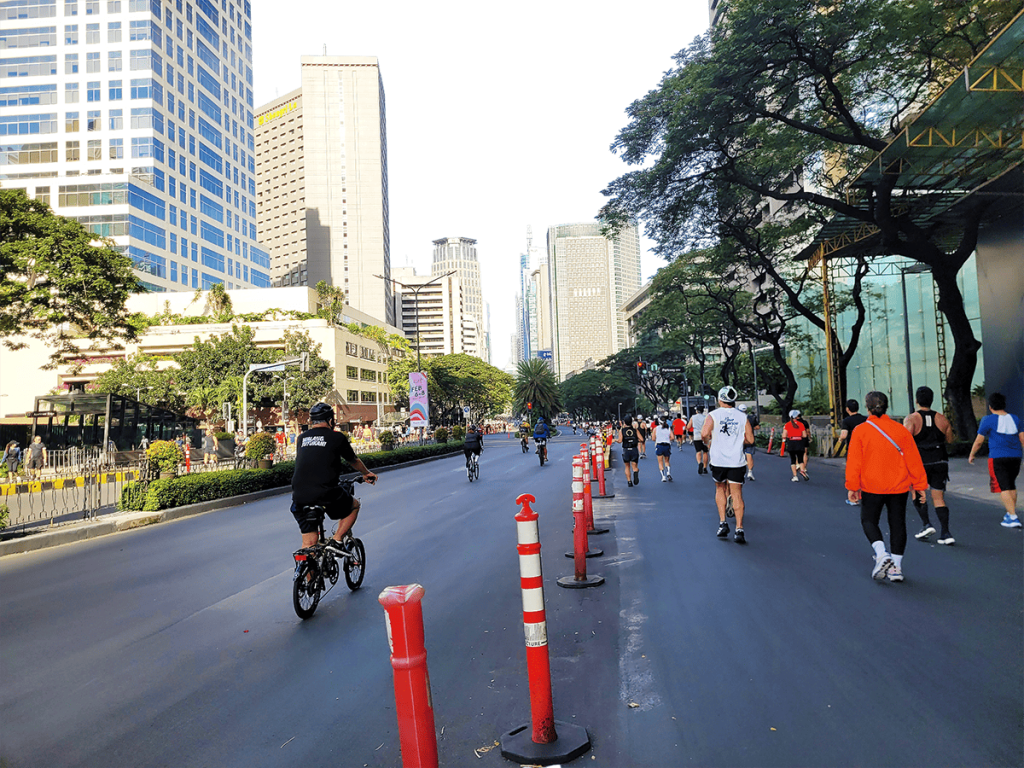
Oftentimes, when I watch business news on television or read the business section of a newspaper, the backdrop I immediately see is the panoramic view of towers and buildings in the Makati Central Business District or Bonifacio Global City. These iconic structures create the impression that progress and development have arrived and continue to expand.
Through the lens of institutions and investors, real estate represents progress, development, and economic power. However, real estate tells more than a story of numbers. It is the land where Filipino families build their homes, the source of livelihood for business owners, and a space for recreation and relief from the pressures of daily life.
Real estate affects society at every level, from the national economy to the most personal spaces of individuals and families. It may be expressed through statistics, but it is also an evolving story of how Filipinos live. Every shift in real estate development reflects a change in how people understand space, utility, community, and the environment.
From traditional communities to planned and unplanned developments

One of the most pivotal periods in Philippine real estate occurred 40 to 50 years ago, when the massive infrastructure projects of the 1970s were followed by rapid migration to Metro Manila during the 1980s. These developments transformed both urban and rural landscapes.
More subdivisions emerged near established industrial and commercial centers such as Manila, Caloocan, and Makati. Suburban development expanded toward Quezon City in the north, Pasig in the east, and Muntinlupa in the south. Increasing demand also encouraged the conversion of more land into residential communities.
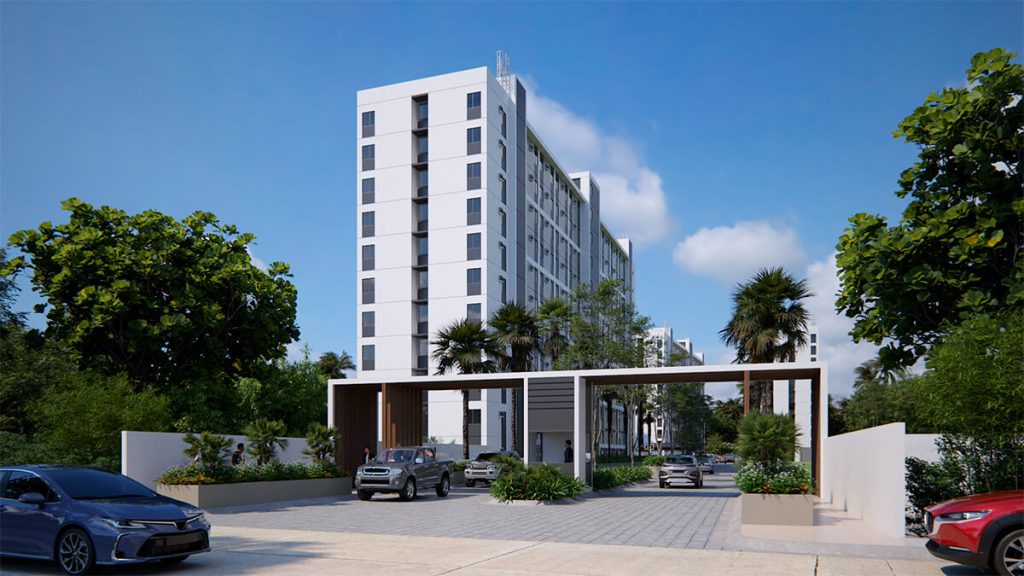
Affluent families settled in San Juan, Makati, and Quezon City, while affordable housing expanded in Caloocan, Marikina, and Las Piñas, providing homes for young and starting families. At the same time, informal settlements continued to grow across Metro Manila, reflecting unequal access to secure and adequate housing.
By the end of the 20th century, Metro Manila had become a region of contrasts. It hosted major business districts and affluent communities while also accommodating densely populated urban poor settlements. It was also a center of education and opportunity that attracted young people who hoped to become future nation-builders.
New centers of life
During the 2000s, Cebu and Davao emerged as major regional centers and alternatives to Metro Manila. Industrial and commercial growth fueled real estate development, while mixed-use estates became new business, residential, recreational, and cultural hubs.
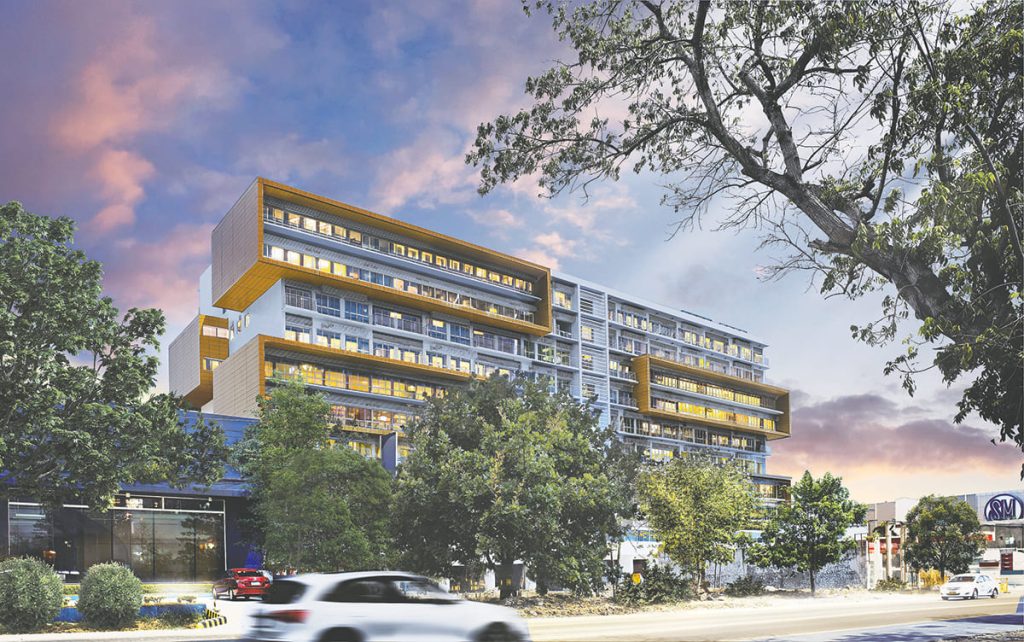
Within 40 years, real estate significantly changed the daily lives of Filipino families. Homes became farther from workplaces, malls became social centers, and mixed-use estates integrated living, working, shopping, and leisure in one place.
Today, real estate development is no longer simply about expanding land for different markets. It is about creating lasting value for stakeholders, communities, and Filipino households. Its true measure lies not only in buildings, investments, or property values, but in how well communities support everyday life, strengthen connections, create opportunities, and contribute to national growth.
* * *
About the author
Dr. Joana M. Diñoso is a licensed professional teacher, licensed real estate consultant, appraiser, and broker. She served as the chairperson of the Real Estate Management Program of the De La Salle-College of Saint Benilde (DLS-CSB), and is currently the dean of the Benilde School of Management and Information Technology (SMIT).
Diñoso is a managing partner of CVDiñoso Realty. She is a trustee and founding member of the Real Estate Brokers Association of the Philippines (REBAP) Global Taguig Pateros Chapter, as well as a member of the Philippine Association of Real Estate Consultants and Specialists (PARCS) and Urban Land Institute (ULI Philippines). She was likewise invited as part of the Technical Panel to gather data and publish a study on the Makati Central Estate Redevelopment Plan.
#PhilSTARPropertyFeature
#FeaturedStory