

The typical Filipino home is warm, vibrant, and bustling. It is a place where multi-generational, extended families gather and there’s an abundance of memories collected through the years. However, this “beautiful chaos” can sometimes lead to visual clutter, cramped spaces, and a stressful daily environment.
Enter the Japanese philosophy of home design. Rooted in intentionality, minimalism, and harmony with nature, the Japanese way of living offers practical solutions that perfectly complement the modern Filipino lifestyle. By adopting a few key concepts, you can transform your house into a calming, highly-functional sanctuary without losing that signature Filipino warmth.
Here is a guide to the benefits of Japanese-inspired living, along with practical tips you can apply to your own home today.
1. The Genkan (The Intentional Entryway)
In Japan, the genkan is a sunken entryway where people remove their shoes before stepping onto the main floor. While many Filipinos already practice the “no shoes indoors” rule, it is often an afterthought, resulting in a messy pile of sneakers and tsinelas by the door.
The Benefit: A structured entryway keeps street dirt, bacteria, and rainwater from tracking into your clean living spaces, a crucial benefit during the Philippine typhoon season. It also creates a psychological boundary, signaling that you are leaving the stress of the outside world behind.
How to Apply It: You do not need to renovate your floor to create a genkan. Designate a specific, organized drop zone by your front door. Use a stylish, closed shoe cabinet to hide footwear, add a small bench for sitting while changing shoes, and keep a dedicated basket for your indoor slippers.
2. Danshari (Mindful Decluttering)
Filipinos are very sentimental. We tend to hold onto everything from old pasalubong and souvenirs to outdated appliances “just in case.” The Japanese concept of Danshari (refuse, dispose, and separate) encourages keeping only what is truly functional or deeply joyful.
The Benefit: Less visual clutter directly translates to lower stress levels. A streamlined home is also significantly easier to clean and maintain, giving you back precious hours of your weekend.
How to Apply It: Start small. Challenge yourself to the “One In, One Out” rule: if you buy a new piece of decor or a new appliance, an old one must be donated or sold. Clear your kitchen counters of appliances you only use once a month, storing them out of sight to create a clean, expansive prep area.
3. The Art of Multi-Functional Spaces

Japanese homes, particularly in densely populated cities like Tokyo, are often compact. They rely on multi-functional rooms where furniture can be easily moved or tucked away (like the traditional futon). This concept is incredibly useful for condominiums and compact townhouses.
The Benefit: It maximizes your limited square footage, allowing a single room to serve as a home office by day, a family dining area by evening, and a guest room by night.
How to Apply It: Invest in modular, adaptable furniture. Choose nesting tables, extendable dining sets, or sofas with hidden storage compartments. Instead of heavy, permanent concrete walls to divide spaces, consider using slatted wood room dividers (inspired by Japanese shoji screens) to separate a living area from a workspace while still allowing light and air to flow through.
4. Bringing Nature Indoors
Traditional Japanese architecture seamlessly blends the indoors with the outdoors. It prioritizes natural light, cross-ventilation, and the use of organic materials like wood, bamboo, and stone.
The Benefit: This is the ultimate hack for the tropical Philippine climate. Maximizing airflow reduces your reliance on air conditioning, lowering electricity bills. Furthermore, surrounding yourself with natural elements has been scientifically proven to reduce anxiety and boost your mood.
How to Apply It: Aim for that coveted maaliwalas (bright and airy) feel. Replace dark curtains with sheer, light-filtering blinds. Incorporate indoor plants that thrive in our climate, like the Snake Plant or Monstera, to purify the air. Choose furniture with natural wood finishes rather than synthetic plastics or heavy, dark varnishes.
5. Wabi-Sabi (Embracing Imperfection)
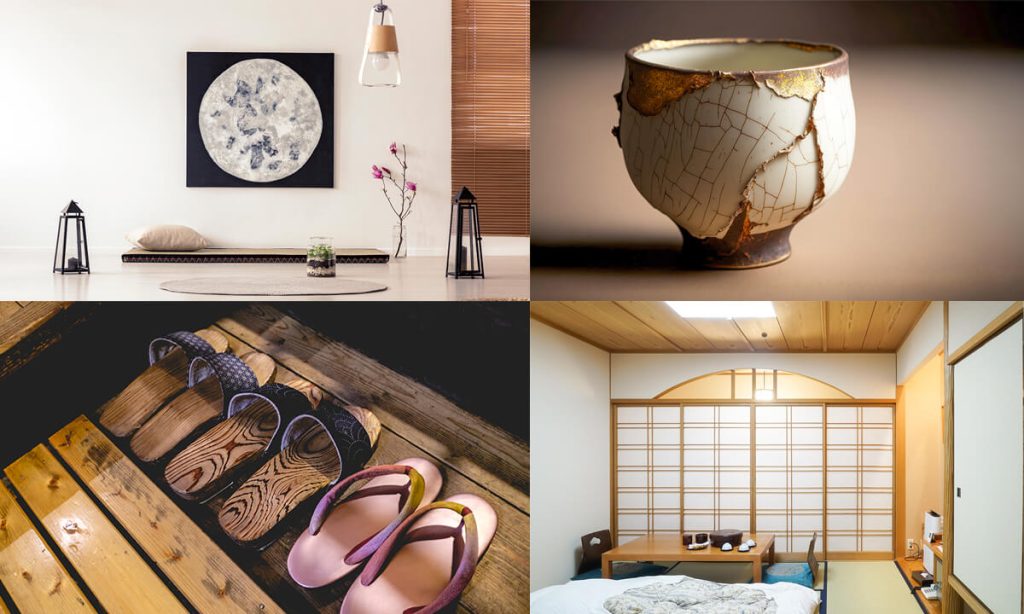
Wabi-sabi is the Japanese aesthetic of finding beauty in things that are imperfect, impermanent, and incomplete. It is an appreciation for the natural aging process of materials.
The Benefit: It removes the pressure to have a “picture-perfect,” showroom-style house. It allows you to appreciate the history of your home and the items within it, shifting your mindset from constant consumption to contentment.
How to Apply It: Instead of throwing away an inherited, slightly scratched solid wood dining table to buy a cheap, mass-produced replacement, embrace its history. Polish it and let its character shine. Repair chipped ceramics (inspired by the art of Kintsugi) or display a beautifully woven, slightly worn local solihiya chair.
#PhilSTARPropertyFeature
#FeaturedStory