

Long before sustainability became mainstream in Philippine architecture, Architect Richard Garcia was already immersed in green design.

A graduate of the University of Santo Tomas, Garcia began his career as a CAD operator before eventually rising through the ranks to become Vice President at Visionary Architecture, one of the world’s leading architecture firms. He later co-founded GALA Architecture with his wife, Jasamin Jean Lee Garcia. Their growing portfolio includes Citadines Hotel in Southwoods, Aziza Hotel Resort in Palawan, and collaborations with Ayala Malls.
Today, Garcia is recognized not only for his large-scale projects but also for his strong advocacy for sustainability, thoughtful design, and client-centered architecture.
As a certified Green Architect and Architect-of-Record for two LEED-certified projects, Garcia believes sustainable architecture should not feel intimidating or inaccessible.
“I understood the system,” he says. “There are materials that could be used. There’s a process that could be done.”
Through this, Garcia also hopes to break the common misconception that sustainable design is automatically expensive, emphasizing that many green practices begin with simple, practical, and well-planned design decisions.
That understanding started early in his career through his involvement in Texas Instruments’ LEED-certified facility—among the first green buildings in the Philippines. The experience shaped the way he approaches projects today, whether for large developers or individual homeowners.
At GALA Architecture, sustainability goes beyond simply adding solar panels or energy-saving devices. Garcia integrates passive cooling, natural lighting, airflow planning, landscaping, and responsible material selection into every project.
“A simple understanding of usage or discipline,” he explains, “the right planning of switches, power, and water—that is sustainable.”
Even seemingly simple choices matter. Lighter finishes can help reflect heat. Properly positioned windows can maximize airflow and reduce energy consumption. Thoughtful planning can minimize waste long before construction even begins.
As a licensed architect, landscape architect, and environmental planner, Garcia views design as a complete ecosystem rather than purely an aesthetic exercise.
“Maybe I’m lucky that I had exposure to green buildings during my early years,” he shares. “The very first LEED-certified building here in the Philippines was my project, so I understood the system. I inform the client that I’ll be injecting some green and sustainability principles into the project. I tell them about the materials we are using, the colors, how it will be constructed, even how materials will be disposed of.”
The rise of the DIY homeowner
Garcia has also witnessed how Filipino homeowners have become increasingly hands-on, particularly after the pandemic accelerated the rise of DIY culture.

“DIY was really big during the pandemic,” he says. “People saw the opportunity through social media.”
More homeowners began repainting walls, replacing fixtures, reorganizing interiors, and experimenting with renovations themselves. Design suddenly became more accessible and less intimidating.
But while DIY culture encourages creativity and self-expression, Garcia believes it works best when paired with professional guidance and proper education.
“As long as there’s proper guidance,” he says.
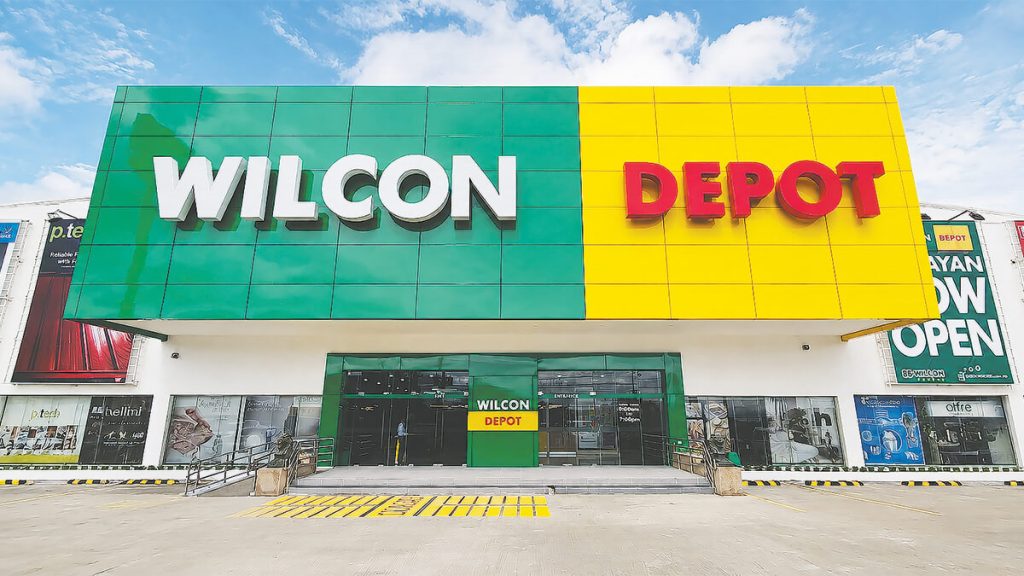
This is where trusted home improvement partners such as Wilcon Depot play an important role—not only by offering products, but by helping homeowners make smarter, safer, and more sustainable decisions.
“For established depots like Wilcon, you would be able to see the actual materials,” Garcia explains. “You can touch it, feel it, compare it, and understand the specs.”
For Filipino homeowners, that tactile experience still matters deeply. “The sense of touch, smell, feel, color, and sight—it’s always there,” he emphasizes. “That’s something no online seller can ever kill.”
The five senses, especially touch, play a crucial role in understanding materials—whether a surface is smooth or rough, solid or porous—helping homeowners make better and more informed design decisions.
Garcia also highlights the importance of combining product accessibility with professional guidance. Beyond aesthetics, homeowners need to understand durability, energy consumption, safety, and long-term value.
That is why, even as an architect, he appreciates the added services and professional assistance available through Wilcon Depot’s Design Hub.
“It’s not just selling,” he says. “It’s part of customer service. Educating the public and DIYers is a big factor.”
Designing with the client’s life in mind
For Garcia, architecture should never feel like a battle between professional expertise and personal taste. Instead, the process must be collaborative.

Homeowners bring personality, inspiration, and emotional connection into a project. Architects bring technical knowledge, spatial planning, safety considerations, and long-term thinking. The goal, Garcia says, is to successfully marry both visions.
“We have to understand the family,” he explains. “What the dad is doing, what the wife is doing, if there are kids, pets, hobbies. Each client has different needs.”
That process often begins long before sketches or floor plans are drawn.
“It’s very important, the client’s vision,” Garcia stresses. “When architects or designers start with a project, it’s not just the start of the lot plan. We have to talk to the client and understand their family or the users.”
Whenever possible, Garcia prefers visiting the client’s existing home to observe how the family naturally lives and moves through a space.
“If it’s a house, even if it’s an apartment, I would request to observe the family,” he says. “If it’s a weekend and the whole family is there, just don’t mind me. I want to understand what the dad is doing, what the wife is doing, if there’s a kid, and if there are pets. That’s how I understand how to properly plan because each client has different needs.”
This becomes even more important in today’s highly visual and trend-driven environment, where homeowners are constantly exposed to inspiration online.
“Sometimes, the client says they want a modern minimalist house,” Garcia shares. “But when they show the picture, it’s actually Japanese or Mediterranean.”
Rather than dismissing those references, Garcia sees them as conversation starters. Through mood boards, material studies, and visual references, architects can refine scattered inspirations into cohesive spaces that genuinely reflect the homeowner’s lifestyle.
At the same time, Garcia believes architects also have the responsibility to guide clients honestly when design choices become impractical.
“Sometimes, it’s beautiful,” he says, “but it consumes a lot of electricity. Or a lot of water.”
That is why access to a complete lineup of materials and finishes matters—not just for convenience, but for better decision-making.
“With Wilcon, you can compare already,” he says. “The specs, the wattage, the consumption, the available colors—it’s easy.”
For architects and homeowners alike, physically comparing laminates, tiles, fixtures, lighting, and finishes inside a showroom creates a clearer understanding of how materials will actually work in a space.
“You can see the actual sample,” he explains. “You can feel it, the sense of touch, smell, feel, color, and sight. That’s something no online seller can ever kill.”
More than selling materials
For Garcia, trusted home depots should function not only as suppliers, but as long-term partners in the design journey.

“It’s not just selling,” he emphasizes. “It’s part of customer service. Educating the public and DIYers would be a big factor.”
This becomes especially important for first-time homeowners, who are often overwhelmed by technical specifications, product choices, and budget considerations.
“You don’t want fly-by-night suppliers,” he says. “You want legitimate products, warranty, proper customer service.”
For architects, reliable supply and product consistency are equally critical. Materials need to match approved designs, remain available for future repairs or expansions, and perform according to expectations.
For homeowners, meanwhile, the experience becomes more empowering. Instead of relying solely on tiny swatches or online photos, they can physically walk through aisles, compare finishes firsthand, and better visualize how everything comes together.
“It’s like an exhibit,” Garcia says. “Filipinos like to see it. Pick and pay. And the price is there. There’s no guessing.”
Building homes that reflect real lives
At the center of Garcia’s philosophy is still the homeowner’s story.

He believes architecture succeeds not when it simply follows trends, but when it reflects the way people genuinely live. A kitchen should support families who cook often. A workspace should adapt to hybrid lifestyles. A living room should feel flexible enough for both entertaining and resting.
That is why collaboration matters more than ever.
The architect listens, the homeowner imagines, and the supplier provides the tools to bring both together.
And when those three work in harmony, a house becomes more than just a finished project. It becomes a home shaped by vision, expertise, and everyday life.
In the end, Garcia reminds fellow architects of their role in that process:
“We are architects. Our designs are here to make their vision a reality. That’s one of the basic things. We have respect. At the end of the day, it’s up to the client.”
Because, as Wilcon Depot articulates, everything starts with the owner, the client, and their dream.
#PropertyFeature #FeaturedStory