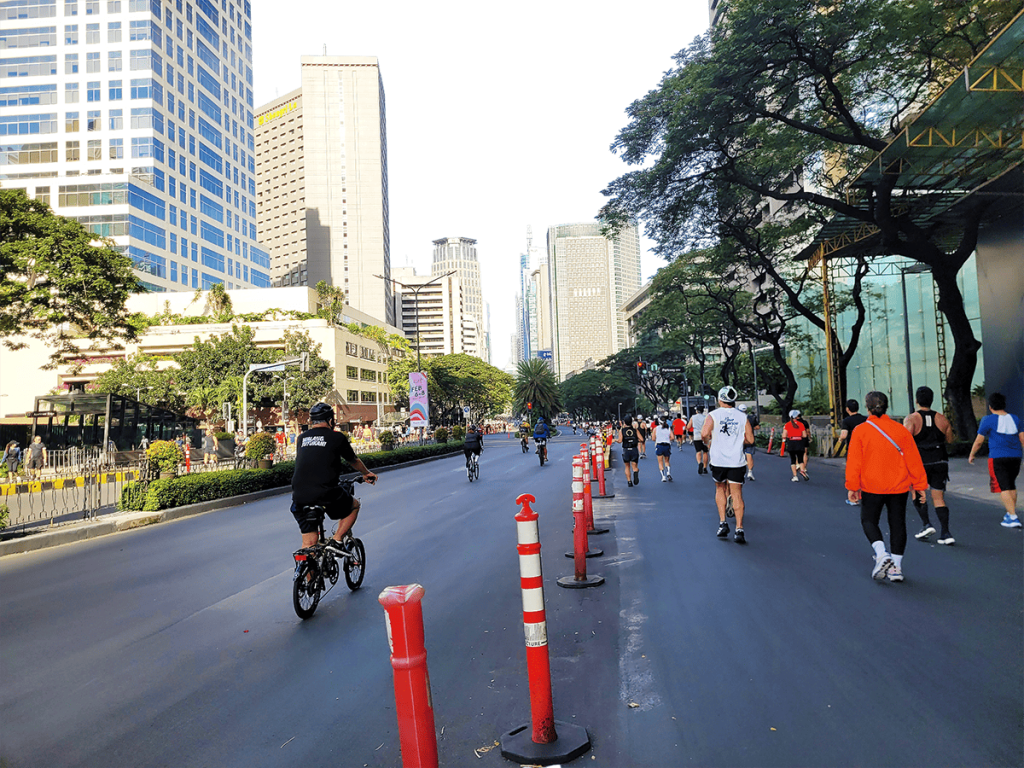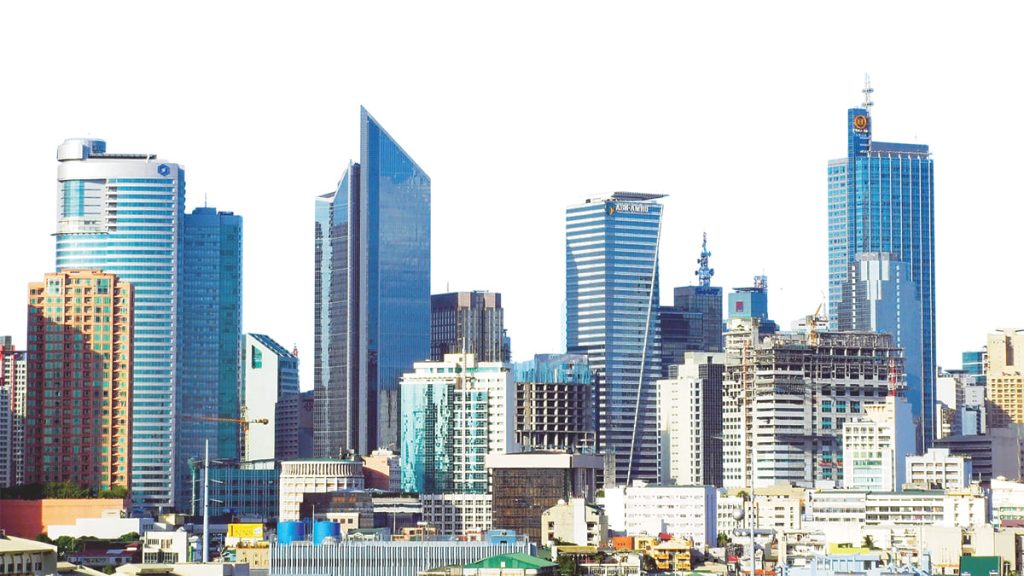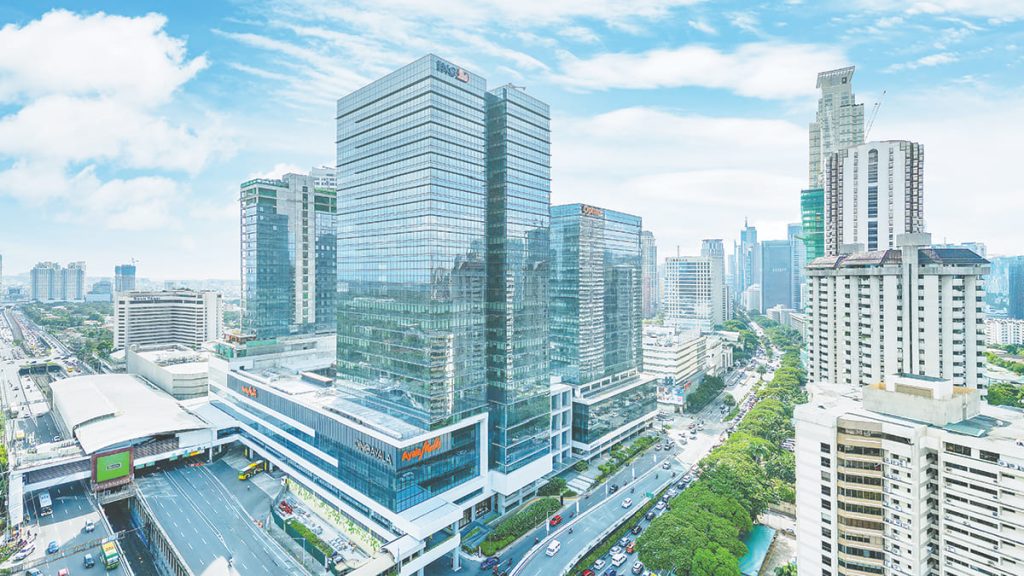


There has been a long-standing debate between the over-expansion of malls versus public parks among netizens, with the latter being the more favored and desired option. Given the type of climate, population size, and air quality within this bustling capital city comes a valid question: are parks really the ideal communal spaces for Metro Manila?
First let’s discuss the typical climate. As we already know, the Philippines has two seasons–the wet and the dry. During the monsoon period, the great outdoors can go from damp to muddy, to downright flooded within seconds. Not to mention Dengue-carrying mosquitos that hover all day. Though, being surrounded by the beauty of lush greenery, the comfort level may be unfavorable to non-existent.
During the dry summer months, the extremely hot temperatures from noon to late afternoon pose as another deterrent against the utilization of an otherwise beautiful space and respite from busy sidewalks and office drama. Temperatures reaching 35-42 degrees Celsius is a reality that is simply too dangerous to ignore.
The shielding from the harsh elements that malls provide is what makes these spaces appealing to the general public. As of today, malls do not only serve as centers for leisure and retail. These establishments have evolved into community squares, adding even more importance to, some would argue, their already overbearing existence. Malls are providing the populace with convenience and purpose by adding government offices, fitness centers, medical clinics, diagnostic centers, banks, courier centers, and other essential services.
Nonetheless, with Metro Manila’s dense and growing population, there is no question that free and green public spaces should be offered to its very dynamic, vibrant, and fast-paced populace. But who takes responsibility for the upkeep? Who enforces peace and order? While it would be ideal to hold each other accountable for clean and safe usage, there are no guarantees that the bad apples won’t appear and multiply. Malls, on the other hand, are packed with security, which is more than within reason why malls have become the heart of a community.
Where public parks actually do make a winning point is in the improvement of air quality. Metro Manila is particularly dependent on motorized vehicles; however, these are the biggest culprits of pollution, causing the degradation of the air we breathe. As the most vehicle-dense country in Southeast Asia, there should be a serious focus on the proliferation of green spaces on all corners and every nook and cranny of the metro. In fact, the World Health Organization (WHO) has been consistent in advocating for urban green spaces for dense communities.
Other neighboring populated cities, such as Hong Kong, have visibly prioritized the comfortable mobility of their residents. While green spaces have not been ignored or abandoned, elevated and underground railways, walkways, and interconnected commercial centers allow for safe and convenient passage, protected from the extreme monsoon downpours and summer heatwaves, much like what Filipino pedestrians face every day.
Singapore’s City in Nature concept has integrated impressive indoor and outdoor landscaping into functional spaces and concrete facades, alleviating the public from the year-round humidity–typical of the climate the country is known for–without having to add more parks.
Taking these points into consideration, perhaps the debate should not be between malls versus public parks, while villainizing one over the other. Instead, it should be a discussion on whether commercial developers and city planners have their ears on the ground. It should be about how to integrate year-round weather and climate conditions in direct proportion to daily behaviors and routines. Additionally, the clamor to address environmental issues should be given chief importance in order to improve the overall quality of life.
#PhilSTARPropertyFeature
#FeaturedStory