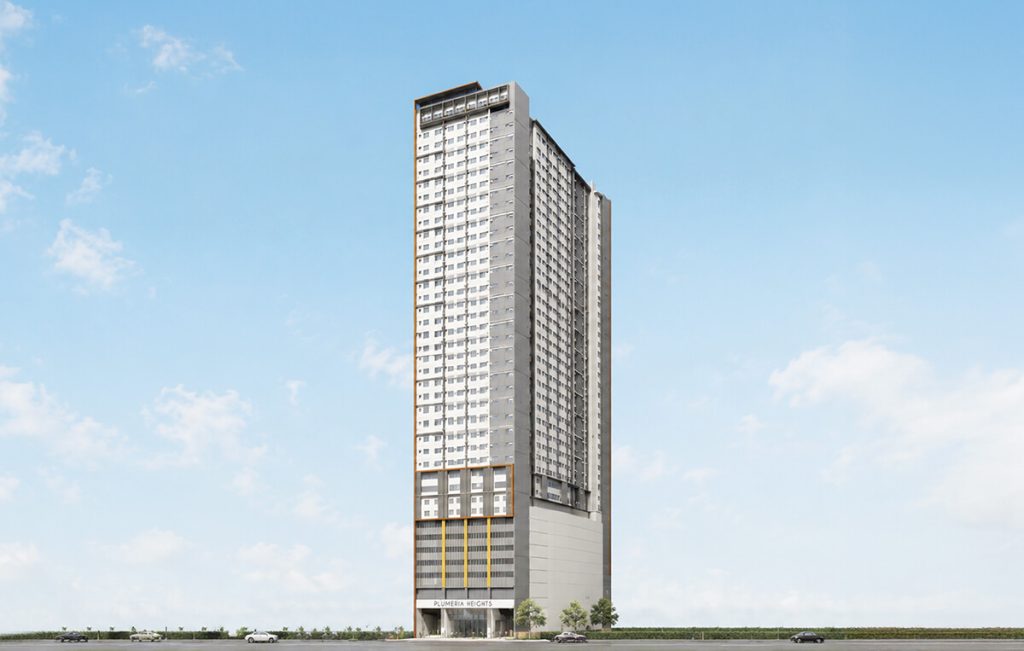


Condominium living in the Philippines was mostly associated with Metro Manila’s central business districts (CBDs) for years. But lately, a different story is unfolding across Luzon, where more residential developments are emerging in growing regional centers, offering a different approach to urban living through vertical communities that conveniently blend leisure and wellness with everyday living.
As provincial cities continue to thrive, more condominium projects are progressively built with resort-inspired environments. These developments offer residents access to open spaces, recreational facilities, and lifestyle-oriented amenities for them to enjoy without the need for a weekend getaway. They provide experience that reflects the changing preferences of homebuyers seeking a balance between accessibility and quality of life.
A shift toward regional living
The growing interest in residential developments outside the capital region reveals an important shift in the Philippine property market. According to Colliers Philippines, residential projects in key provinces such as Pampanga, Bulacan, Cavite, and Laguna, as well as other regional growth areas, continue to see strong demand, even as Metro Manila’s condominium market faces a different set of challenges. This suggests that more buyers are considering locations beyond the capital for long-term living.

At the same time, many provincial cities are becoming more self-sustaining economic hubs. New infrastructure, expanding commercial and business districts, increasing employment opportunities, and booming tourism are helping drive population growth and create demand for housing that supports modern, convenient lifestyles.
The growing focus on amenities
One feature commonly recognized in newer vertical communities outside Metro Manila is the emphasis on amenities that promote recreation and wellness, a trend that has become common in residential developments. While amenities have always been part of condominium living, they have become an important component of the overall residential experience.
This highlights an increasing preference for environments that support work-life balance and provide spaces that encourage residents to spend more time within their communities. The appeal is particularly true in rising urban centers where access to larger developments allows more generous open spaces than those often available in highly built-up cities.
Convenience in everyday living

Aside from leisure amenities, vertical living in regional cities can also offer practical benefits. Residential developments are often located near commercial establishments, schools, transportation networks, and tourist destinations, reducing travel time and making daily activities more convenient while keeping residents connected to the surrounding area.
This combination of accessibility and lifestyle-focused design is helping shape a new approach to urban living beyond Metro Manila. It responds to the evolving needs and expectations of Filipino homebuyers for comfort and convenience.
As Luzon’s regional cities continue to grow, resort-inspired vertical communities are becoming a more common part of the country’s residential landscape. More than a property trend, they reflect a shift in how people’s homebuying decisions are adapting, offering a different perspective on what living can look like beyond the capital.
#PhilSTARPropertyFeature
#FeaturedStory