

Convenience has long been defined by accessibility in major business districts. In Ortigas Center, however, city living is shifting away from fragmented movements across different locations to a more continuous urban experience where daily routines are contained within a single, connected environment.
It reflects a broader change in how dense urban districts are being used. Instead of serving purely as places for work or commerce, they are increasingly functioning as self-sustaining ecosystems with less dependence on external travel.
From separation to continuity
Traditional city living is usually divided. Work happens in one place, errands in another, and home life in a different zone entirely. This structure creates a routine defined by constant transitions with short, repeated movements in traffic, time, and distance.
This pattern is changing in integrated environments like Ortigas, as the focus is no longer only on proximity but also on continuity. The aim is to reduce the number of external trips needed to complete a normal day and allow routines to happen within a more integrated setting. It does not remove the need to go outside the district, but it reduces reliance on it for everyday functions. It makes the flow of daily life more stable and consistent, and less segmented.

When daily life moves inward
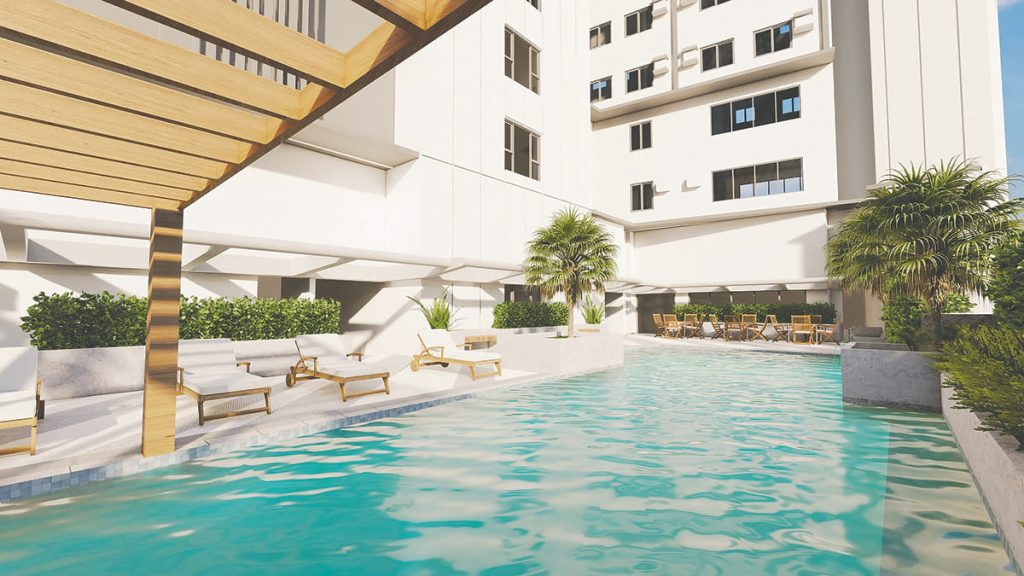
A defining feature of integrated living is how daily needs are gradually built into the environment itself. Instead of spreading essential services throughout the city, developments in Ortigas increasingly follow a model where key lifestyle components are situated within a single vertical or mixed-use structure.
Living spaces in this setup are no longer isolated units but part of a wider internal system that supports daily living. It reduces the need for repeated travel and coordination. Movement becomes less about commuting outward and more about moving between functions within, which changes how time is experienced in the city.
Ortigas in transition
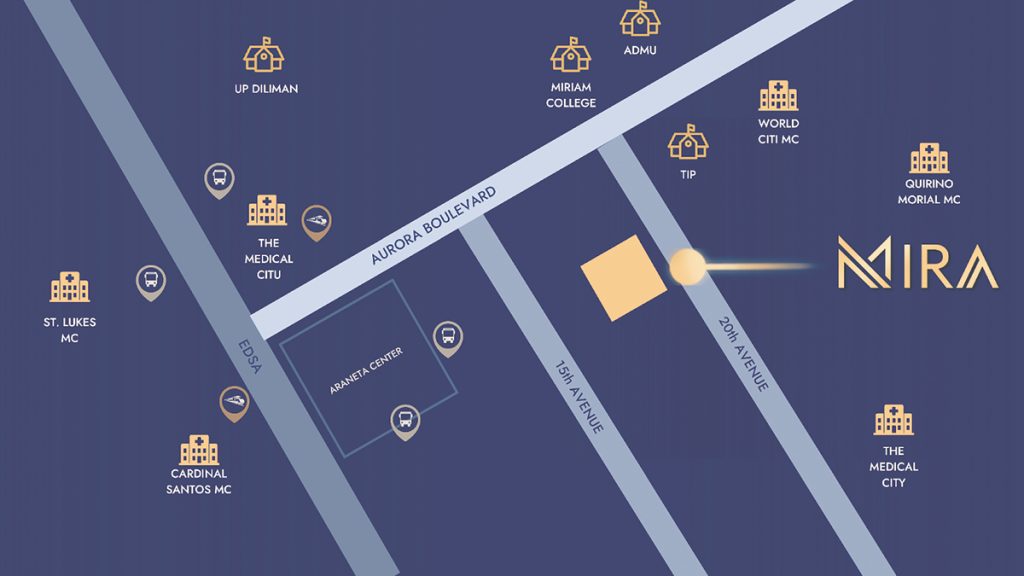
The evolution of Ortigas Center reflects the new urban structure in Metro Manila. Once primarily known as a business district, it is now increasingly accommodating multiple functions within shared locations, signaling a shift from a single-purpose district to one that is multi-functional by design.
Instead of separating land uses into distinct zones, the area is gradually supporting developments that allow multiple aspects of daily life to coexist. These developments serve as stabilizing points in the district, supporting both work and residential needs.
An understated kind of efficiency
Integrated living at its core is not about visibility or scale but about reducing complexity. It removes layers of logistical process that typically define city life, particularly the repeated decisions and movements to transition between daily activities.
What emerges is a more streamlined experience, not necessarily fast-paced but more continuous in structure. Life does not revolve around separate destinations but is organized around a single environment where functions are already built in. Its efficiency is defined by how much of the day can be sustained within it, rather than by the extent of movement required beyond the district.
#PhilSTARPropertyFeature
#FeaturedStory