

Makati is often reduced to a familiar image of corporate towers, busy intersections, and the constant movement of the country’s financial center. Yet beyond the skyline is a city shaped by quieter systems such as walkability, shifting daily rhythms, hidden infrastructure, and evolving ideas of urban living.
As Metro Manila continues to grapple with congestion, heat, and density, Makati has increasingly become part of conversations around the “15-minute city,” a planning concept that encourages residents to access daily essentials within a short walk, bike ride, or commute. A 2025 study published by the London School of Economics International Development Review identified Makati as a potential local model for this approach, citing its compact urban form, mixed-use districts, and pedestrian-oriented spaces.
Experienced differently at street level
Unlike many business districts that empty after office hours, Makati transforms throughout the day. Early mornings are defined by deliveries, maintenance crews, and joggers weaving through quieter streets. By midday, the city reaches peak intensity as workers, residents, and visitors meet in dense commercial corridors. Evenings change the pace, with clubs, restaurants, cafes, fitness studios, and parks taking over the city.
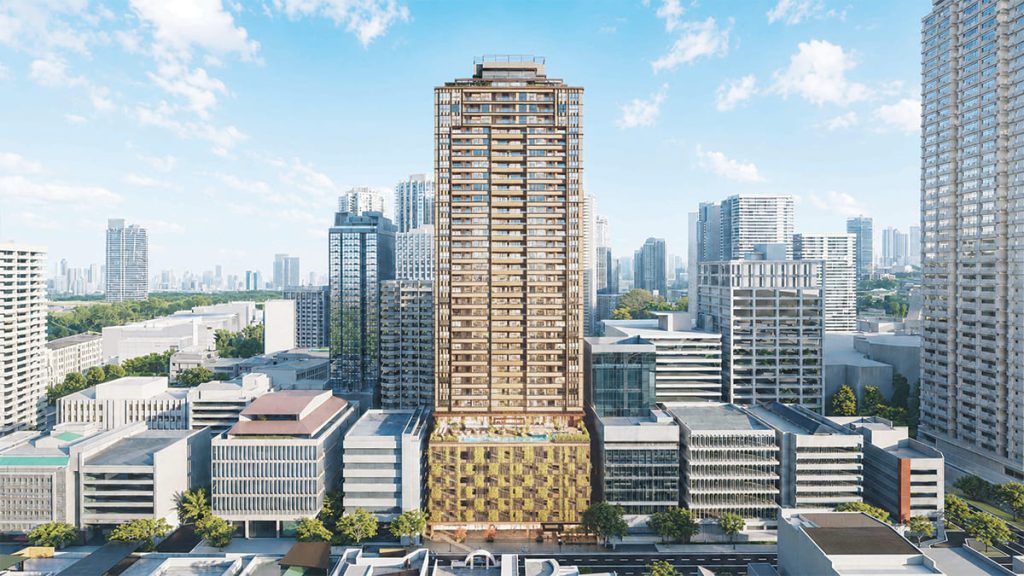
The constant shift has helped shape Makati into more than just a workplace destination. Residential communities, particularly within mixed-use districts, have become increasingly important in defining how people experience the city beyond office hours.
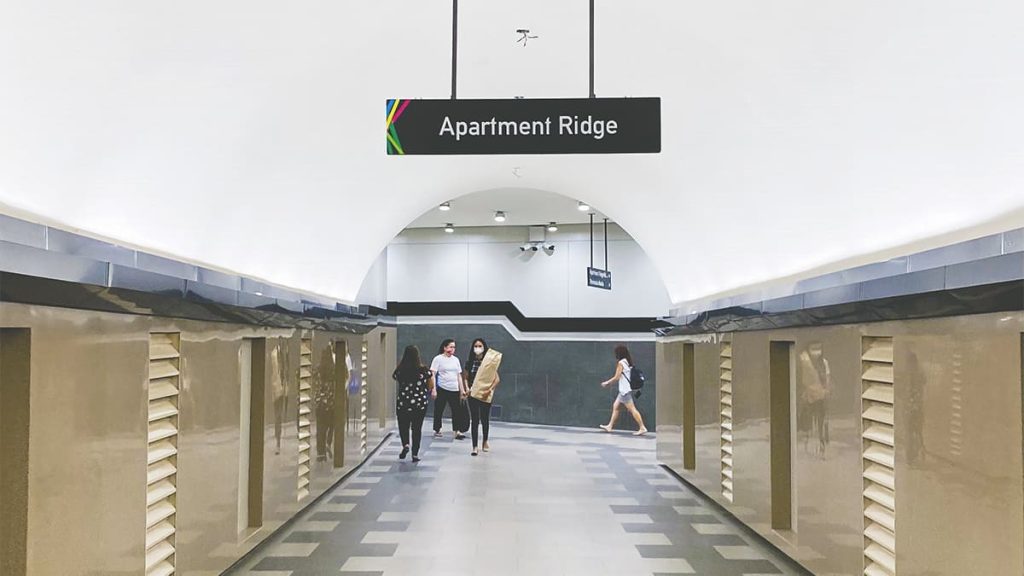
Research and urban planning discussions around Makati also increasingly focus on pedestrian mobility. Existing underpasses, interconnected walkways, and landscaped open spaces such as Ayala Triangle Gardens contribute to the city’s reputation as one of Metro Manila’s more walkable districts, although urban planners note that challenges remain, particularly outside core commercial zones.

The overlooked role of climate and comfort
Another rarely discussed aspect of Makati is how architecture and urban density influence comfort at ground level. Studies on urban heat in Makati have examined how dense developments, paved surfaces, and high-rise clusters affect temperature and airflow within the city. The Potential of Cooling Outdoor Urban Spaces in the Philippines, a research on outdoor urban cooling in Makati, noted the importance of shaded green spaces and tree-lined areas in improving pedestrian comfort within hot and humid urban environments.
This has become increasingly relevant as cities worldwide confront the effects of urban heat islands. In Makati, green pockets, wider sidewalks, and integrated open spaces are no longer viewed simply as aesthetic features but also as part of livability itself.
A city built on movement
Makati’s daytime population reportedly swells far beyond its residential population because of the daily influx of workers and visitors. According to Makati City’s 2025 Voluntary Local Review on the Sustainable Development Goals, the city’s daytime population exceeds 2.3 million people despite having a significantly smaller residential base.
That scale of movement explains why discussions around transit-oriented development, walkability, and mixed-use living continue to shape conversations about the city’s future.
More than a financial district, Makati has evolved into a layered urban environment where lifestyle, mobility, and everyday convenience increasingly intersect. And while the skyline remains its most recognizable feature, the city’s real story may lie in the quieter systems that operate beneath it: the pathways, rhythm, and spaces that influence how people move and rest and how they live within it.
#PhilSTARPropertyFeature
#FeaturedStory