

Heat is no longer seasonal in Metro Manila ― it lasts all year round.
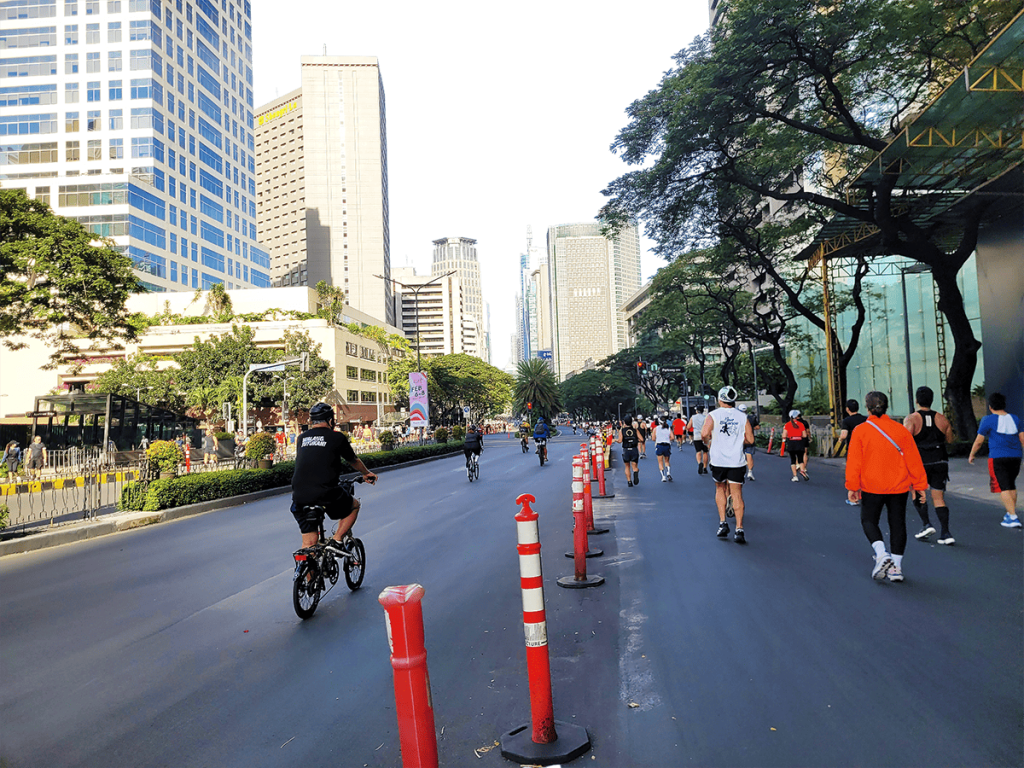
Step outside in Metro Manila and the heat hits immediately. It radiates from the pavement, rises off the roads, and lingers well past sunset.
This is the urban heat island effect.
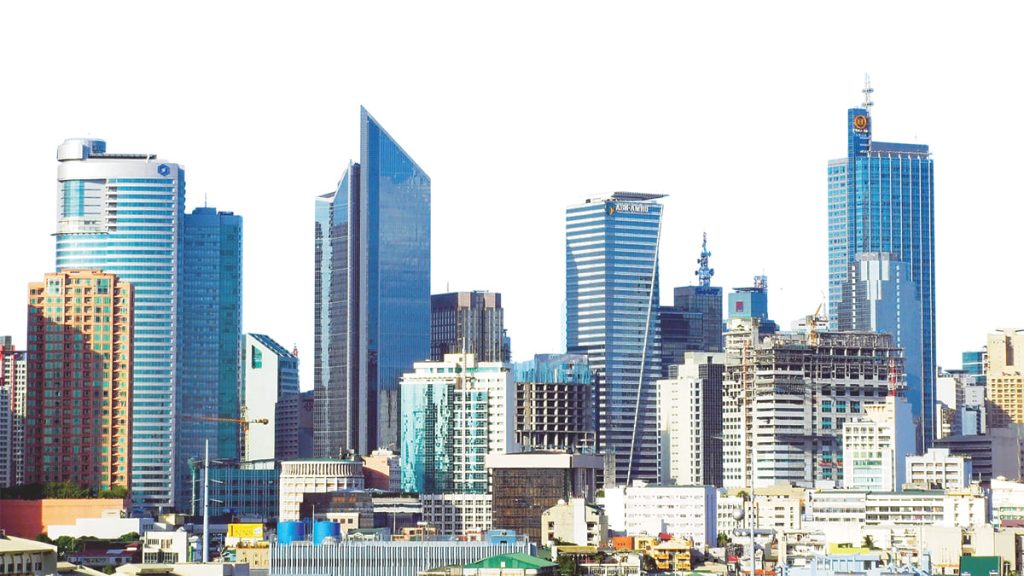
Cities trap more heat than surrounding areas because materials like concrete, asphalt, and glass absorb it during the day and release it slowly at night. That’s why evenings no longer bring the same relief.
Studies even show urban temperatures can be 3°C to 4°C higher than nearby areas.
It may not sound like much, but in a tropical country, that difference is enough to shape how people live, move, and rest.
The fading green
Part of the reason lies in how the city has expanded.
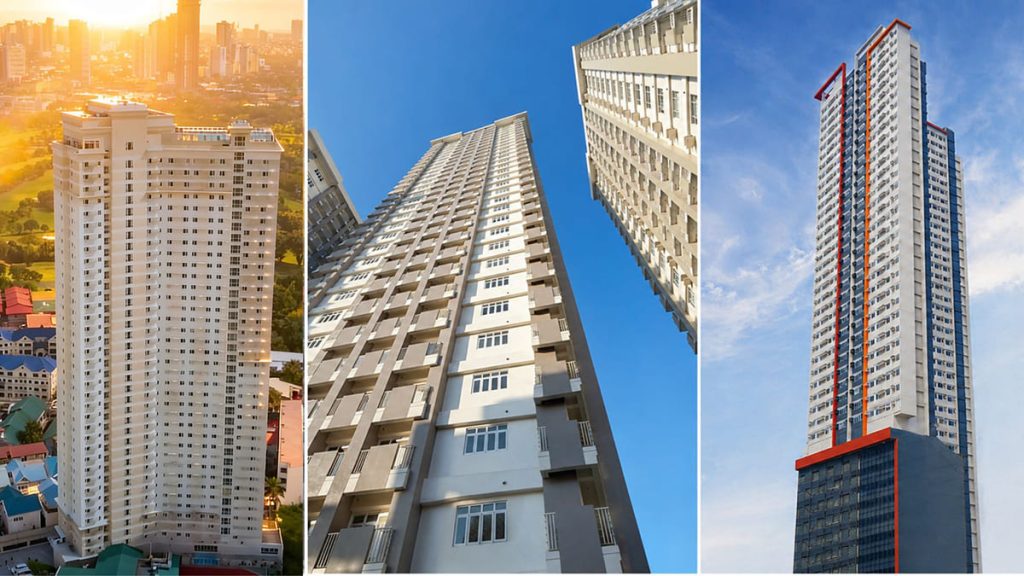
Over time, Metro Manila’s growth has replaced open land and tree cover with roads, buildings, and dense commercial developments. Green spaces still exist, but they are limited, fragmented, and often out of reach for many Filipinos.

Pockets like Ayala Triangle Gardens in Makati offer a glimpse of what cooler, greener urban spaces can feel like. But they remain exceptions rather than the norm.
This matters because trees do more than add shade.
They help regulate temperature by blocking sunlight, cooling surfaces, and releasing moisture into the air — natural processes that built structures simply cannot replicate at scale.
Heat and daily life
The effects are felt in everyday routines.
For commuters, long hours under the sun are harder to endure. For outdoor workers — vendors, drivers, and construction crews — heat exposure is constant, increasing the risk of dehydration and exhaustion.

Indoor spaces are also affected.
Many homes and classrooms, especially those without proper ventilation, trap heat throughout the day, making conditions uncomfortable and disruptive.
To cope, people rely on electric fans and air conditioning. While effective, these increase electricity costs and energy use, which can contribute to higher temperatures over time.
Small solutions, real impact
Addressing urban heat does not always require large-scale changes. Smaller, community-level efforts can make a difference.
Planting trees remains one of the most effective ways to cool urban spaces. Shade reduces surface temperatures, while the natural processes of trees help lower the surrounding air.

Urban gardening is another practical option. Rooftop gardens, vertical plants, and even small patches of greenery can help cool homes and improve air quality.
Some local governments have also launched greening initiatives, such as the Climate Resilient and Localized Urban Greening Plan (CRLUGP) in Pasig and Quezon City’s One in a Million Tree program.
These efforts may seem modest, but they contribute to long-term improvements when sustained.
A hotter future ahead
Climate change adds urgency to the issue. As global temperatures rise, cities like Metro Manila are expected to face more frequent and intense heat.
The urban heat island effect will likely become more pronounced unless addressed. Still, there are ways to respond.
City heat is not just about weather — it reflects how spaces are designed and what is prioritized.
This Earth Day is a reminder that even in dense urban areas, nature can be brought back, and cities can be made more livable, one shaded street at a time.
#PhilSTARPropertyFeature
#FeaturedStory