

Where can people go for free to work, study, or unwind without buying anything?
Every time I travel to other countries, I’m always amazed by the sheer number of free parks, libraries, walkable streets, and third spaces for citizens to enjoy. For the uninitiated, third spaces refer to neutral community hubs separate from one’s home (first place) and workplace (second place) where people can socialize.
Every corner in Japanese neighborhoods seems to lead to a pocket park, with trees, lush greenery, and benches for people to enjoy nature’s beauty. In Seoul, a former expressway was torn down to revive the Cheonggyecheon Stream, where locals take a break from work to enjoy nature in the business district. The Kaohsiung Main Public Library in Taiwan is an amazing free space where anyone can walk in to work, study, or read.
Coming back to Manila, I always end up wondering: Why can’t we have the same nice things?
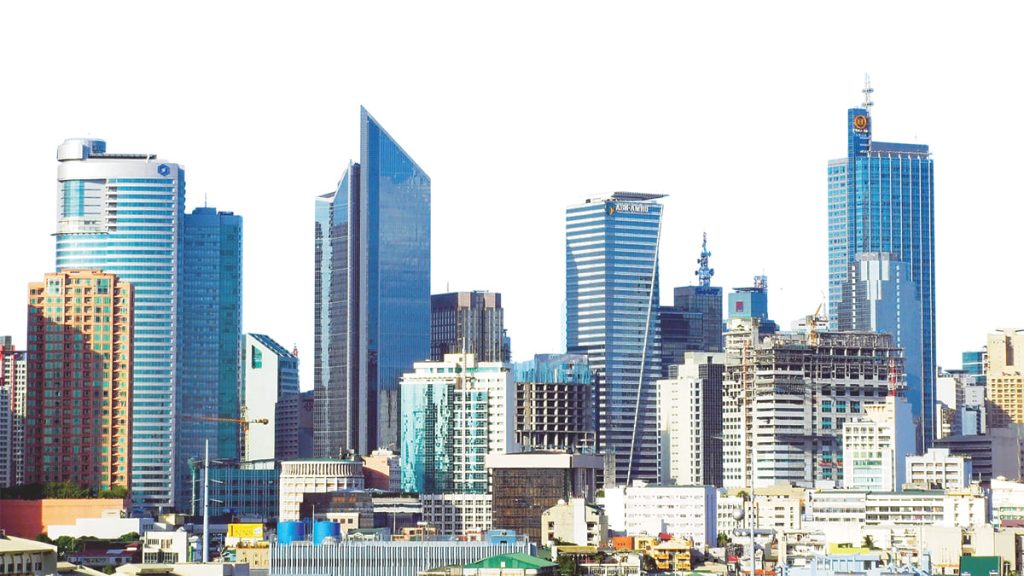
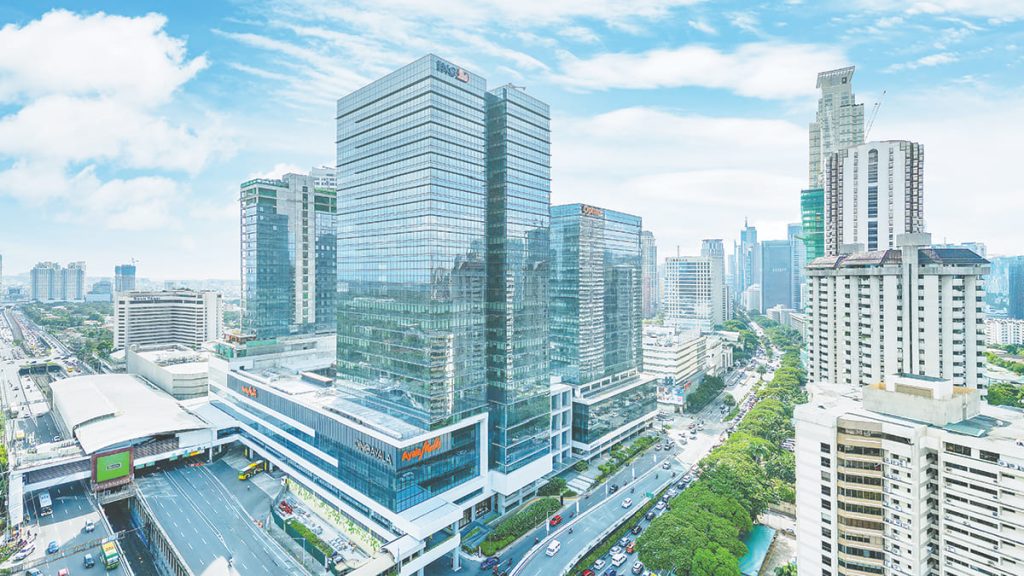
With the severe lack of parks and public spaces in Metro Manila, private developers have capitalized on our need for third spaces to maximize profits. These days, it seems like you can’t go anywhere to relax and unwind without overspending.
For years, malls have replaced traditional plazas and community squares, turning what should be community gatherings into commercial transactions. In malls, loitering is often discouraged, and you need to pay to enjoy the space.
Thankfully, we’ve seen a growing awareness and demand for free public spaces in Metro Manila in recent years, including some malls. Here are a few examples of third spaces in Metro Manila where you can hang out and enjoy without spending much.
Parks

There are a few public parks scattered around the metro that people can head to for leisurely exercise, strolls, and weekend picnics. Quezon Memorial Circle, which is currently undergoing redevelopment, recently expanded with a new multi-purpose open field and dog park.
In Makati, Ayala Triangle Gardens serves as a green oasis in the busy financial district. Though surrounded by commercial restaurants, locals often come out on weekends with picnic mats and camping chairs to let kids run around on the field.
Arroceros Forest Park also serves as a much-needed breather in congested downtown Manila, with the park a natural extension of the pedestrianized Pasig River Esplanade leading to Fort Santiago.
Libraries

Public libraries serve as quiet study spots for students and alternative offices for remote workers, with free access to books and reading materials.
The Quezon City Public Library inside the QC Hall Complex offers a modern, air-conditioned sanctuary with free admission, fast Wi-Fi, and quiet study spaces without any time limits or expensive cafe fees. Strategically located near schools, the Valenzuela City Library has over 16,000 books within a 6-story library, free and open to the public. Last May, Pasig City also reopened its five-story modernized library open to both residents and non-residents.
Book nooks
Aside from large libraries, book lovers can also find smaller nooks where they can browse, read, and borrow books for free. The Book Nook, located within select SM Malls like SM North and the Podium, offers cozy spaces for mallgoers to sit and read with no purchase required. Similarly, The Stacks at One Ayala offers a quiet space to pause and read within the transport hub.
Open Book Pop-up libraries can also be found in Plaza Roma in Intramuros and within Ayala Triangle Gardens in Makati, with a few benches nearby for browsing. Local shop Papemelroti also runs little free libraries and book exchanges in many of their branches.
Community and sports centers

While it serves mainly as a university, the UP Diliman Academic Oval has always been a popular area for running, walking, and outdoor recreation.
Those looking for other free spaces to exercise can and should make use of public sports facilities. The newly opened QMC skate park and lawn tennis courts at Quezon Memorial Circle offer accessible exercise spots, with new jogging and cycling paths in the works.
Other government-run sports facilities open for free use include the Rizal Memorial Sports Complex in Manila and the PhilSports Complex in Pasig.
Car-free streets

Areas that offer car-free weekends also serve as spaces for people to gather for group exercises, collective leisure, and casual recreation without the pressure to spend.
Ayala Avenue closes off vehicles every Sunday morning along its major commercial stretch. BGC in Taguig designates parts like Fifth Avenue as permanent or weekend pedestrian zones (“My Street High Street”) for free public play and walking.
Tomas Morato in Quezon City and Gil Fernando Avenue in Marikina also shut their streets to motorized vehicles on Sunday mornings to accommodate the city’s active cycling and walking culture.
Potential of underutilized spaces
With proper planning and maintenance, many other underutilized urban locations around Metro Manila could still be transformed into vibrant third spaces.
For instance, private golf courses that serve only a few could be converted into real parks or open to the public on certain days, similar to what the Intramuros Golf Course is doing. Churches and plazas with excessive concrete, wide parking lots, or fenced-off lawns could be redesigned to serve the public.
The space under bridges and flyovers could be transformed into pocket skate parks, outdoor art installations, or fitted with steel multi-level parking areas to get parked vehicles off the main streets and sidewalks.
Rather than remaining idle patches of land, vacant lots can still be utilized for community urban gardens. Secondary streets and alleys could be pedestrianized for localized foot traffic. Just having wider sidewalks or simply covering pedestrian walkways, placing proper benches, and planting more trees could make many urban areas more walkable and increase spaces to gather.
Ultimately, preserving and investing in third spaces is not just a matter of urban planning, but vital to foster genuine human connection and build resilient communities..
#PhilSTARPropertyFeature
#FeaturedStory