

In a recent article, I wrote that the true intelligence of cities is measured not by technology, but by the better life they make possible for the people they serve. Smart cities are defined not by sensors or automation, but by safer streets, healthier buildings, easier mobility, and less daily frustration.
That idea raises a second question: if intelligent cities depend on better decisions, where do those decisions come from?
They begin by listening.
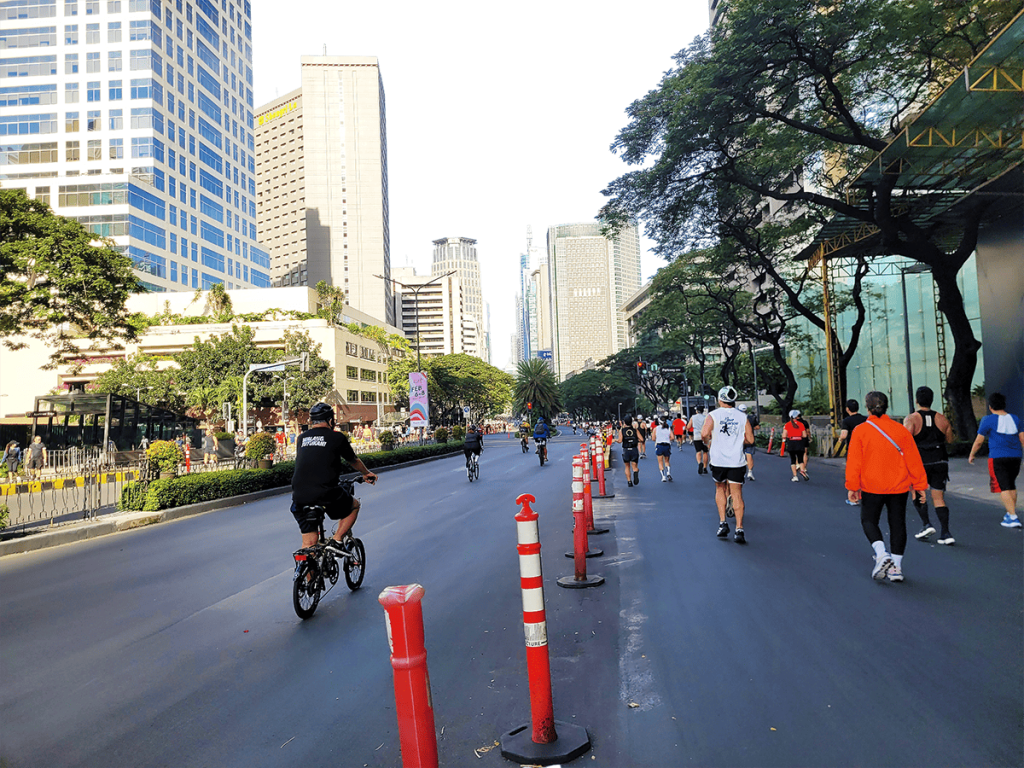
Every day, Filipinos teach cities how they actually live. Commuters wait where transport is easiest to catch. Pedestrians create shortcuts when official routes are inconvenient. People gather where there is shade, comfort, and safety. Through choices repeated daily, citizens reveal what works, what fails, and what needs to change.
Every city, and every building, exists twice. There is the city planned by architects, planners, engineers, and developers. Then there is the city created by people through daily use. The first appears in drawings and masterplans. The second appears in routines, shortcuts, waiting areas, gathering places, and avoided spaces.

Sometimes the two align. Often, they do not. A lobby designed for circulation becomes a meeting place. A shaded edge becomes a waiting area. A pathway becomes important because it connects people more naturally to where they need to go. These behaviors are not mistakes. They are lessons.
For generations, these lessons were difficult to capture. Leaders relied on observation, surveys, and periodic studies. Valuable insights often arrived after conditions had already changed. Today, intelligent buildings and connected systems can reveal patterns of occupancy, comfort, movement, energy use, and space utilization as they emerge.
But the value is not the data itself. The value is the understanding it creates.
Automation is about action. Learning is about understanding. And understanding leads to better decisions.

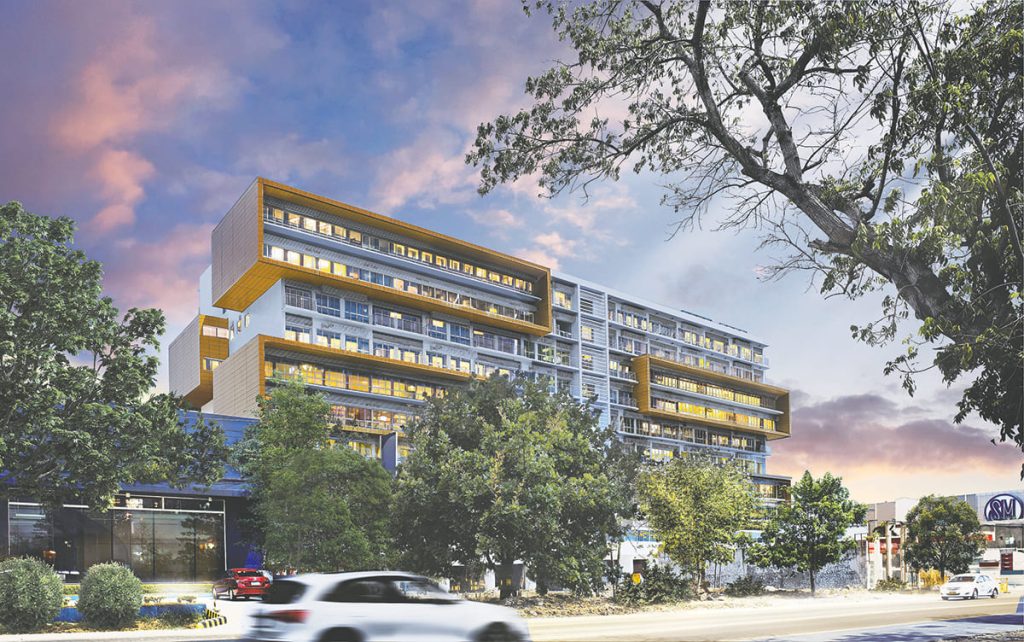
Smart buildings matter because much of urban life happens inside them. We work, study, shop, receive care, gather, and live in buildings. When a building learns how people use space, it can respond more effectively. When many buildings generate similar lessons, patterns emerge at city scale. Collectively, they help cities learn about communities.
This is particularly relevant in the Philippines. Urban centers face connected challenges in mobility, energy, housing, resilience, public space, and economic development. Yet many decisions are still made using information that is fragmented, delayed, or incomplete.
The opportunity is not simply greater efficiency. It is greater awareness. A city that listens pays attention to human experience. It understands that people communicate needs not only through consultations but through behavior. They show what works by using it. They show what fails by avoiding it. They show what is missing by creating informal solutions.
This changes the role of architects, developers, building owners, and city leaders. Their work does not end when construction is completed. In many ways, that is when the most important learning begins. A building speaks through its use. A district reveals its patterns. A city shows what it needs next.
Over the past forty years, Philippine cities have grown taller, denser, and more connected. We have learned how to build districts, expand infrastructure, and transform skylines. The next chapter, however, asks something different. It asks how well our cities can continue learning from the people who live in them.
The cities that thrive will not simply be those with the most advanced technology. They will be the cities most attentive to the people they serve. The challenge for future cities is not finding more data. It is developing the wisdom to listen.
The first forty years taught us how to build more. The next forty years must teach us how to build better. And building better begins by learning better. Intelligence is measured not by what a city knows, but by how well it learns. The cities that will shape the future are the ones that have learned to listen.
#PhilSTARPropertyFeature
#FeaturedStory