

For decades, real estate has been measured by what rises from the ground—office towers, residential developments, shopping centers, and industrial parks that shape the country’s skyline.
Today, the measure of success is changing. Buyers still value the quality of individual developments, but increasingly they judge them by the broader ecosystem around them: how easily people can live, work, move, and connect, and whether a community can continue evolving with their needs over time.
“The future of Philippine real estate will be defined not just by the buildings we develop, but by the communities we create around them,” says Ayala Land President and CEO Meean Dy.
“While buyers will always care about the quality of a project, they are increasingly looking at the broader ecosystem—how people can live, work, move around, and connect.”
For Ayala Land, this is not a new direction. It has long approached development as the planning of complete communities rather than standalone projects—an approach that has shaped its estates for decades.

Communities by design
The company’s earliest developments reflected the belief that long-term value is created when homes, workplaces, commerce, public spaces, and essential services are thoughtfully integrated.
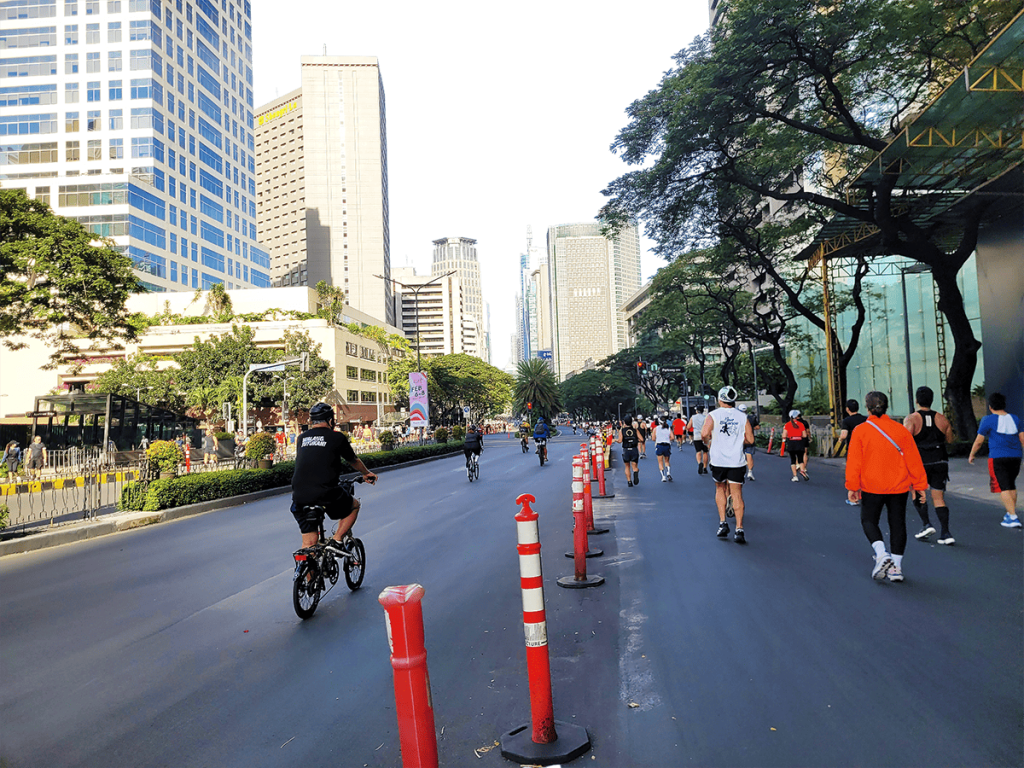
Makati laid the foundation for this approach as the country’s premier central business district, demonstrating how coordinated planning could create not only a thriving business center but also a vibrant urban community. The same philosophy helped shape Bonifacio Global City into one of the country’s leading mixed-use districts, where businesses, residences, retail, hospitality, and public spaces support a dynamic environment that continues to attract investment and talent.
As Ayala Land expanded beyond Metro Manila, the model evolved to respond to the distinct strengths and opportunities of each location.
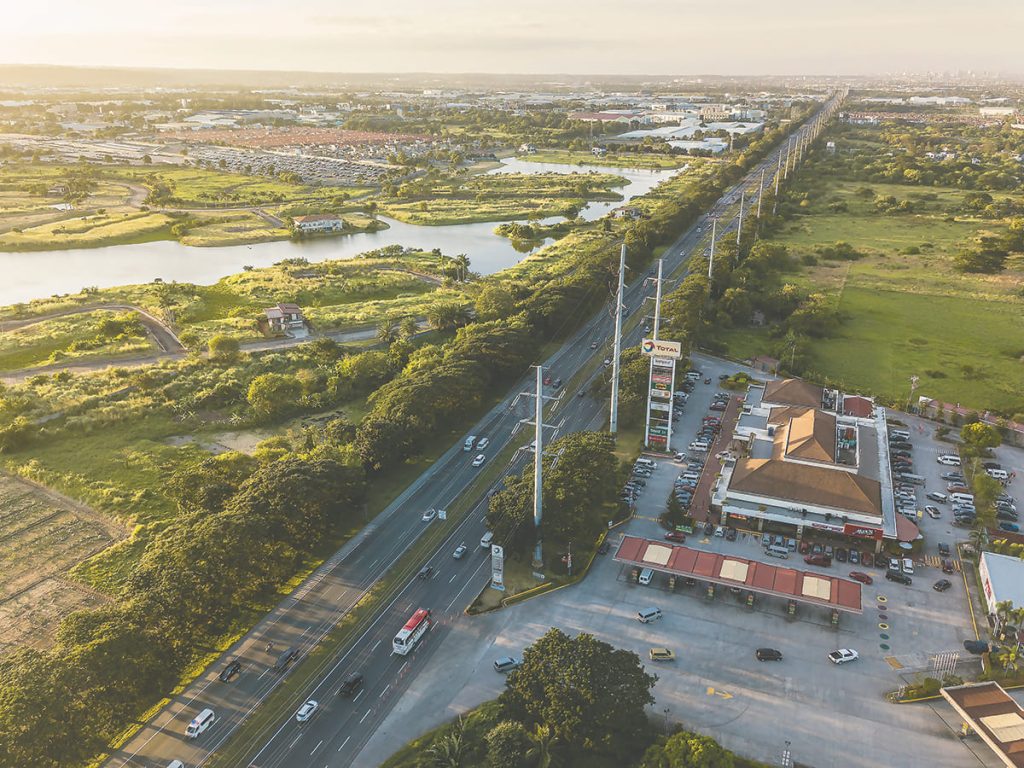
Nuvali, the country’s first and largest eco-city, illustrates how long-term urban growth can be anchored on environmental stewardship. By integrating residential neighborhoods, business districts, schools, retail destinations, recreational facilities, and expansive green spaces within a single master-planned estate, it demonstrates that economic development and sustainability can reinforce one another rather than compete.

Connectivity has likewise become central to how communities function. One Ayala was conceived not simply as another commercial development, but as an integrated transport hub linking the MRT, provincial buses, city buses, and point-to-point services. By making everyday mobility more seamless, it strengthens the connection between people, businesses, and the wider metropolitan region.
Across its portfolio—from Vermosa’s sports- and wellness-oriented estate to Parklinks, the green urban district jointly developed with Eton Properties—Ayala Land continues to view every development as part of a larger urban ecosystem, each responding to the evolving needs of the communities it serves.
Together, these developments reflect a broader evolution in Philippine real estate: long-term value is increasingly measured not only by the quality of individual buildings, but by the strength, resilience, and adaptability of the communities they create.
Planning for a changing future
As Philippine cities continue to grow, expectations of urban living are becoming more complex. Communities are expected to be more connected, more resilient to climate and economic change, and better equipped to adapt to new ways of living and working.
Technology will play an increasingly important role in meeting these expectations.
“Technology and AI will make us better at planning, building, and operating our developments,” Dy says. “But they will never replace good urban planning or a deep understanding of how people live.”
Artificial intelligence has the potential to improve how developments are designed, constructed, and managed—from optimizing infrastructure planning and estate operations to reducing energy consumption and improving mobility. But technology alone cannot create places where people choose to build their lives. That still depends on thoughtful planning, human-centered design, and long-term stewardship.
“Buildings are only the starting point,” Dy adds. “Our responsibility is to create communities that generate lasting economic and social value, expand opportunities, and contribute to the country’s long-term growth.”
Building what’s next
As Philippine cities continue to evolve, the role of real estate will extend far beyond providing space. It will increasingly influence how people experience everyday life, how businesses invest and grow, and how communities remain resilient amid economic, technological, and environmental change.
For Ayala Land, that means viewing every development as part of something larger. It is not simply a collection of buildings, but an ecosystem designed to create enduring value for the people and businesses it serves.
The future of Philippine real estate will ultimately be defined not only by what is built, but by what those places make possible: stronger communities, greater opportunities, and a more resilient nation. That is the enduring responsibility—and opportunity—of city building.
#PropertyPR
#MediaRelease