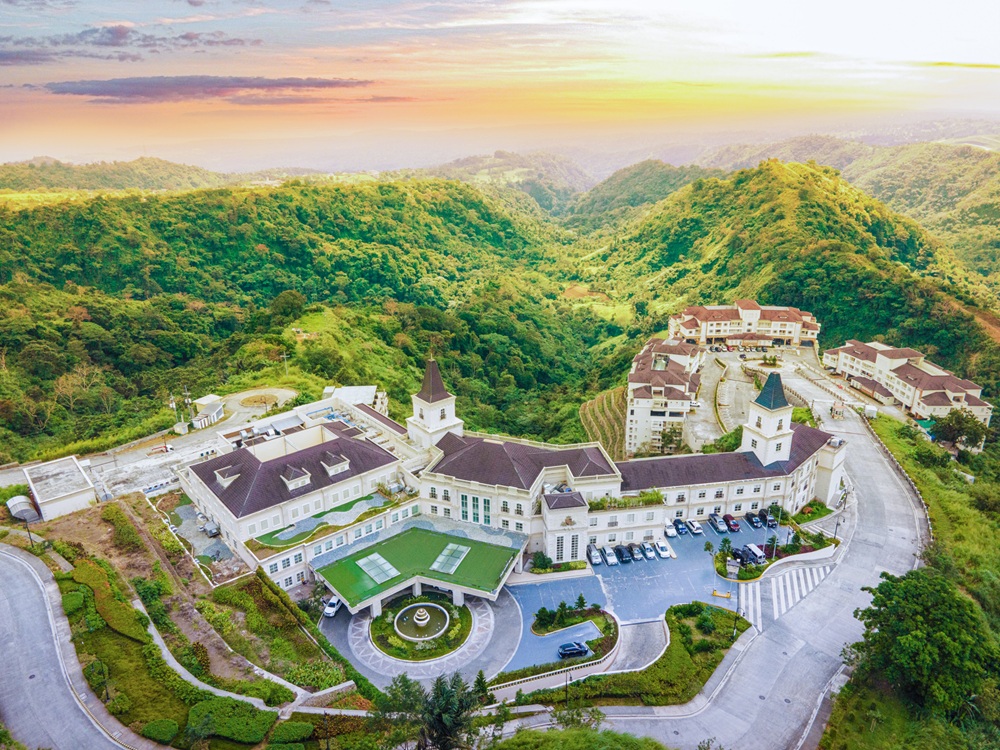


The humid summer air in Bataan carries not only the scent of the sea but also the weight of centuries as one steps through the gates of Las Casas Filipinas de Acuzar, a meticulously recreated heritage town that feels more like an encounter with Philippine history than a resort visit.

Las Casas, a sanctuary for the “old” amidst a world increasingly obsessed with the “new,” stands as a living museum where the built environment serves as the primary storyteller. As we continue to celebrate National Heritage Month this May, Las Casas remains a captivating destination with its rich history and architectural splendor.
The houses that traveled
Having visited this remarkable site three years ago, I’m still captivated by its immense scale. Las Casas is a sprawling collection of reconstructed and relocated century-old buildings that once served as homes, offices, and commercial centers. These buildings have been repurposed into hotel suites, convention halls, and galleries, but their intricate wood carvings and expansive capiz windows still showcase the architectural brilliance of a bygone era.

The brilliance of this place lies in its “rescue.” Secretary Jose Rizalino “Jerry” Acuzar, the current Presidential Adviser for Pasig River Rehabilitation and former Secretary of the Department of Human Settlements and Urban Development, did more than construct a resort; he salvaged history from neglect. These structures were sourced from across the archipelago, meticulously dismantled plank by plank and tile by tile, and then reassembled in Bagac, Bataan, three hours west of Metro Manila, like a historical jigsaw puzzle.
Walking the Empedrado
Strolling down the empedrado (cobblestone streets), the rhythmic clack-clack of footsteps creates a tranquil pace, a stark contrast to the bustling rush of Metro Manila. Nestled amidst lush greenery and winding water features, the houses serve as a constant reminder of the Philippines’ rich aesthetic evolution.

For an architect like me, touching these physical elements is a revelation. It serves as a reminder that our ancestors constructed structures designed to withstand the elements, while buildings harmonize with our tropical climate rather than resist it.
Why a visit matters
Visiting Las Casas during National Heritage Month transforms a simple trip into a meaningful act of cultural remembrance. Through these perspectives, we gain a tangible connection to our heritage:

1. Standing in the shadow of a repurposed Bahay na Bato is more than just appreciating its form. It’s about experiencing the resilience of a culture that refuses to be erased.
2. Las Casas, a functional workshop, honors the living craft. Visitors can witness artisans, woodcarvers, and brickmakers employing traditional methods passed down through generations, ensuring that intangible heritage remains a vibrant skill.
3. In an era dominated by towering skyscrapers, it’s easy to lose sight of the Filipino aesthetic. By observing the transformation from humble nipa influences to grand colonial mansions, we gain a deeper understanding of how our environment shapes our identity.
The final stone
As the sun descends below the horizon, casting a golden-orange glow over the sea, the significance of this sanctuary becomes evident. Preserving our heritage isn’t about clinging to the past; it’s about safeguarding the stories of our ancestors from being lost in the annals of progress.

If you find yourself in Bataan this May, embark on a journey to discover a living masterpiece. This estate is continually being restored brick by brick, story by story, and visit by visit.
#PropertyFeature #FeaturedStory