

How small, steady improvements in our built environment shape everyday life
Progress rarely announces itself. It does not always arrive through landmark projects or sweeping transformation. More often, it appears quietly, in the background of daily life. A shorter wait at a crossing. A smoother commute. A more reliable connection. Fewer moments of friction in the day. These are modest changes, often overlooked, yet they shape how we experience our cities in profound ways.
In uncertain times, progress often takes this quieter form.
In recent years, much has been said about intelligent buildings and cities. The conversation often centers on technology, from sensors to platforms and systems working behind the scenes. Increasingly, this includes artificial intelligence, which allows systems to learn from patterns, anticipate demand, and respond with greater precision over time. Yet the true measure of these systems is not their sophistication, but their effect on people and the value they create. When they work well, they recede from view. What remains is a city that feels more intuitive, more responsive, and more humane, while also enhancing the long-term value and performance of the assets that shape it.
This is where progress becomes visible, not in the technology itself, but in what it enables.

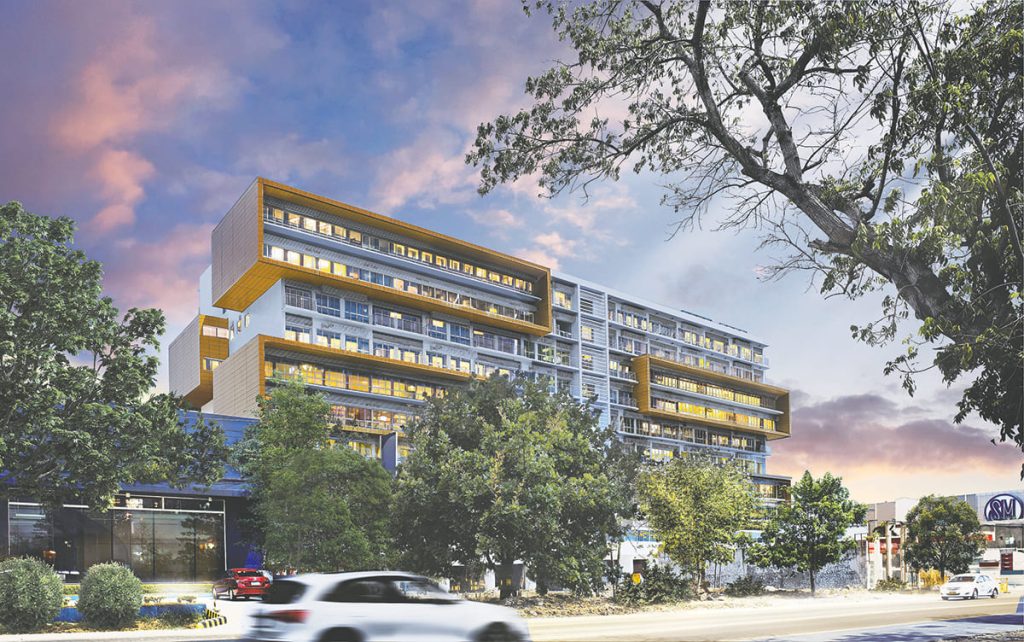
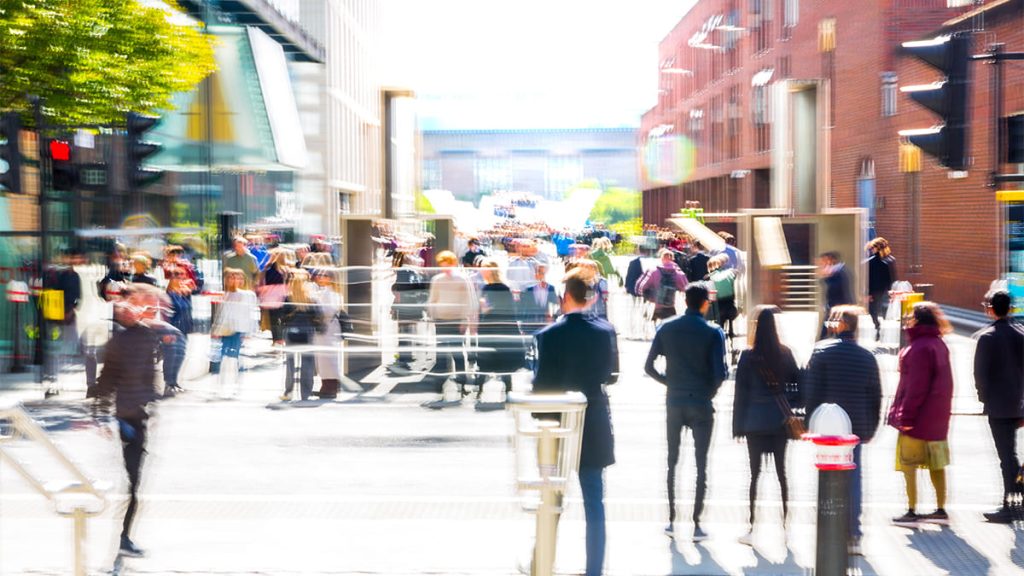
Consider the experience of moving through the city. A pedestrian crossing that responds reliably to foot traffic. A public space that feels safer and more accessible. A workplace that supports both focus and flexibility. A residential building that provides stable connectivity and access to essential services. Each reflects a series of decisions, often incremental, that accumulate over time.
These improvements are not accidental. They are the result of coordinated efforts across design, planning, and digital infrastructure. Data informs how spaces are used. Systems, increasingly supported by AI, help manage flows of people, vehicles, and services with greater accuracy and adaptability. Policies guide how resources are distributed. The most effective outcomes emerge when design and technology are considered together from the earliest stages of a project, embedded as part of its DNA rather than applied as an afterthought. Individually, these elements may seem abstract. Together, they shape experiences that are immediate and tangible.

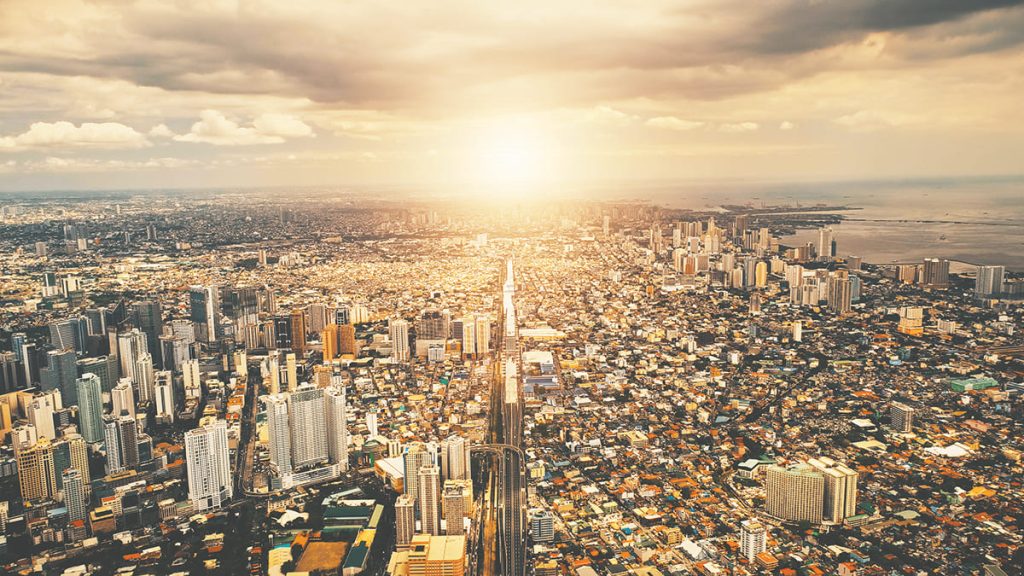
In the Philippine context, these shifts are beginning to take form. Cities such as Makati and Pasig have introduced improvements in pedestrian infrastructure, cycling networks, and public space design. Beyond Metro Manila, places like Baguio and Orion in Bataan are also exploring smart building and city initiatives, reflecting a broader interest in more responsive and sustainable environments. Connectivity, while still uneven, continues to expand, and access to services is gradually becoming more streamlined. These are not dramatic transformations, but they represent steady movement in the right direction.

This progress, however, is not uniform. Some communities continue to face gaps in access, whether in connectivity, mobility, or public space. The experience of the city can differ sharply depending on where one lives. Recognizing this unevenness is important, not as a criticism, but as a reminder that gaining ground must be inclusive to be meaningful. The goal is not isolated improvement, but broader, shared advancement.
Importantly, such progress does not occur all at once. It is built through iteration. Systems are tested, adjusted, and refined. What works is strengthened, while what does not is reconsidered. Over time, these incremental gains begin to compound, creating environments that function better and serve more people.

Over longer periods, these gains begin to compound. A safer crossing encourages more people to walk. Increased foot traffic supports local businesses. More active streets improve safety and invite further investment. What begins as a modest intervention can, over time, reshape patterns of behavior and even economic activity. In this way, progress is not only incremental, but cumulative, building upon itself in ways that are not always immediately visible.
This way of thinking about progress is especially relevant in a time of uncertainty. Economic pressures, environmental challenges, and shifting patterns of work and life all place new demands on our cities. In such conditions, the ability to move forward steadily, to make practical improvements that endure, becomes more valuable than dramatic but short-lived change.
There is also a deeper implication. When progress becomes visible in everyday life, it builds confidence. It signals that systems are working, that institutions are responsive, and that investments in the built environment are delivering real benefits. This, in turn, encourages broader participation from individuals, communities, and the private sector.
Many of these gains become most apparent in how we move. Mobility sits at the intersection of systems and experience. It reflects how well a city connects its people to opportunity, and how effectively it translates planning into lived reality.
Gaining ground, then, is not about sudden transformation. It is about steady, deliberate improvement.
It is about creating cities where daily life becomes more reliable, more accessible, and more connected over time. This kind of progress does not happen by chance. It requires intent, coordination, and a shift in mindset, one that recognizes the value of integrating design and technology from the very beginning. When these disciplines work as one, they create environments that are not only more efficient, but more meaningful to the people who use them. In these small but significant ways, progress takes shape, not as an abstract ideal, but as something encountered in the course of an ordinary day, and sustained through the choices we continue to make.
#PhilSTARPropertyFeature
#FeaturedStory