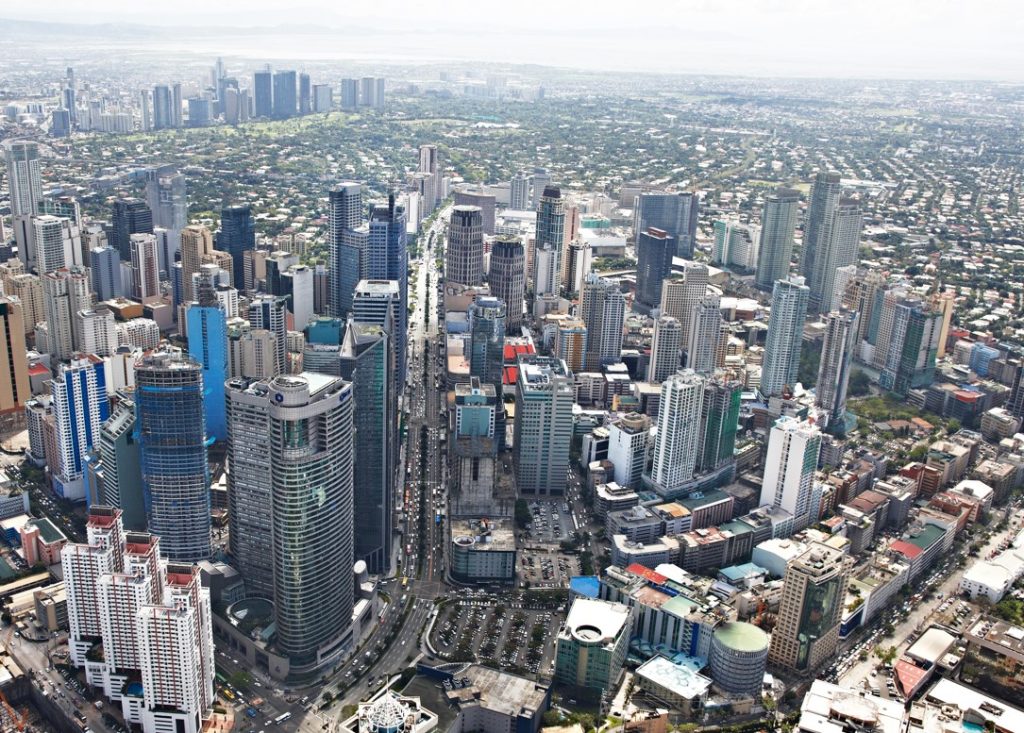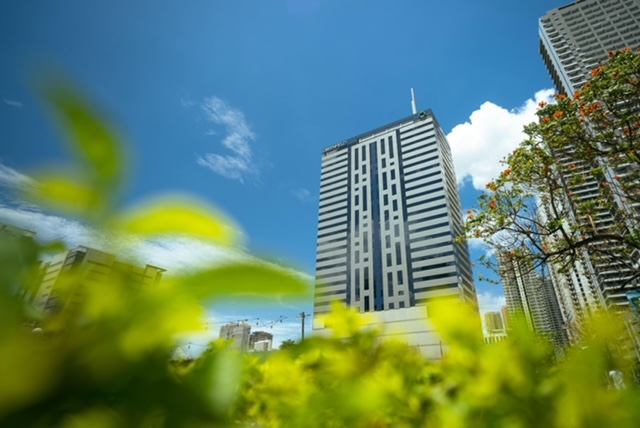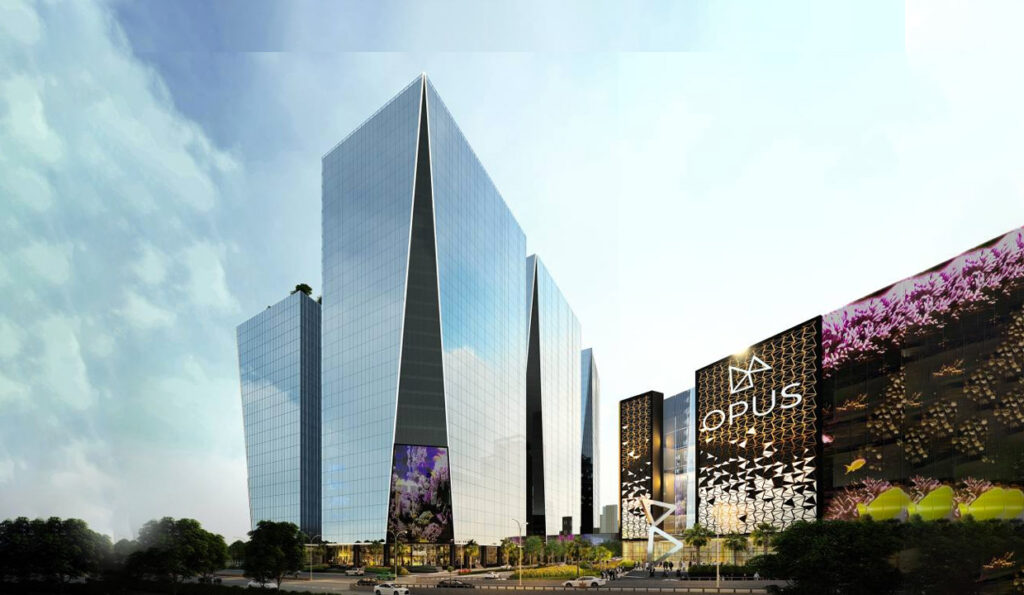


A quiet but consequential shift is underway in Metro Manila, where daily commutes often dictate work and life routines. Companies are no longer choosing office locations based solely on prestige or status. Instead, accessibility—how quickly and efficiently employees can get to work—is becoming the key factor. Amid this transition is THE OFFIX at Parañaque Integrated Terminal Exchange (PITX), a workspace development that reflects how transport infrastructure is changing corporate decision-making.
The shift from Makati to mobility
For years, traditional business districts have been the default choice for office locations. But increasing congestion and rising costs have prompted companies to reconsider. The daily commute, once treated as a secondary concern, is now a critical variable that directly affects employee well-being and operational performance.
THE OFFIX at PITX is positioned within one of the country’s busiest transport hubs, serving approximately 179,000 passengers each day. This built-in flow of commuters represents foot traffic, more importantly, a ready workforce moving between Metro Manila and key growth areas in the south, including Cavite.
By situating offices at THE OFFIX, companies gain immediate access to a greater labor pool without requiring employees to travel into already saturated central districts. The shift is particularly relevant for industries that depend on large teams and round-the-clock operations. Business process outsourcing firms, logistics providers, aviation support services, and government agencies all benefit from proximity to transport infrastructure that aligns with rotating schedules and high workforce volumes.

Shorter commute times translate into tangible improvements in daily work life. Reduced travel fatigue, lower transportation costs, less time spent in transit, and more time for rest contribute to higher levels of employee satisfaction. Over time, these factors influence productivity and retention—metrics that are increasingly tied to how companies design their workplace strategies.
Accessibility as corporate strategy
What was once a logistical consideration has evolved into a strategic priority. Office location is now being evaluated in terms of accessibility and mobility, more than just in terms of address.

THE OFFIX at PITX mirrors this transition in design and intent. Unlike conventional office towers built primarily for corporate headquarters, the development is tailored for operations-driven organizations that require flexibility and efficiency. Spaces are configured to support 24/7 activities, accommodating businesses that rely on continuous staffing and seamless movement of people and resources.
Direct integration with a major transport hub reduces the need for complex shuttle systems and minimizes dependence on private transport arrangements. For employers, this can lead to more predictable attendance patterns and fewer disruptions linked to commuting challenges. And for employees, it simplifies the daily journey to work, making job opportunities more accessible without the need to relocate closer to traditional business districts.
The strategic advantage extends beyond workforce mobility. For logistics and field-based organizations, proximity to transport networks enables faster coordination and deployment. Movement, whether of personnel or goods, becomes more effective when the workplace is placed within a transport ecosystem.

One tenant, logistics platform Lalamove, has cited improved commuting convenience as a key benefit of relocating operations closer to PITX. The experience reflects a broader industry observation: accessibility is no longer just an operational detail, but a competitive advantage that influences hiring, retention, and overall cost efficiency.
Expanding talent catchment
The implications of transit-oriented offices extend beyond individual companies. By making workplaces more accessible, developments like THE OFFIX at PITX effectively expand the geographic reach of employment.
Residents of Cavite and southern Metro Manila, for instance, gain access to job opportunities without the burden of long-distance travel into central business districts (CBDs). This not only improves the quality of life for workers but also allows companies to tap into a wider and more diverse talent pool.
As employee preferences continue to evolve, work-life balance has become a more prominent concern. The ability to spend less time commuting and more time on personal or family activities is increasingly valued. In this context, office location becomes a quality-of-life factor that can influence where people choose to work more than just a business decision.
Shaping new business nodes
Urban planners have long advocated for transit-oriented developments as a way to create more sustainable and efficient cities. By integrating workplaces with transport infrastructure, these developments can help reduce congestion, optimize land use, and stimulate economic activity in emerging areas.

PITX illustrates how this particular model can evolve beyond transportation. What began as an integrated terminal is gradually positioning itself as a mixed-use hub, supporting not only mobility but also employment and business activity. THE OFFIX plays a role in this transformation, contributing to the development of a new economic node in southern Metro Manila.
This decentralization of business activity offers a potential solution to the longstanding challenges faced by traditional CBDs. By distributing workplaces across multiple accessible locations, cities can reduce pressure on existing infrastructure while creating new opportunities for growth.
Evolving work-commute priorities
The rise of transit-oriented offices signals a wider change in how companies think about space, workforce, operations, and logistics. Accessibility is becoming the primary consideration for how organizations function and compete.
THE OFFIX at PITX aligns workplace design with the realities of modern commuting and the needs of operations-driven industries. It demonstrates how infrastructure and real estate can effectively work together to create environments that are efficient for businesses and more manageable for employees.
As Metro Manila continues to evolve, the focus is shifting from where companies should locate their offices to how those locations can better serve the people who use them every day. And in that context, developments anchored on connectivity and mobility may well define the next phase of urban and business growth.
#BrandedUp